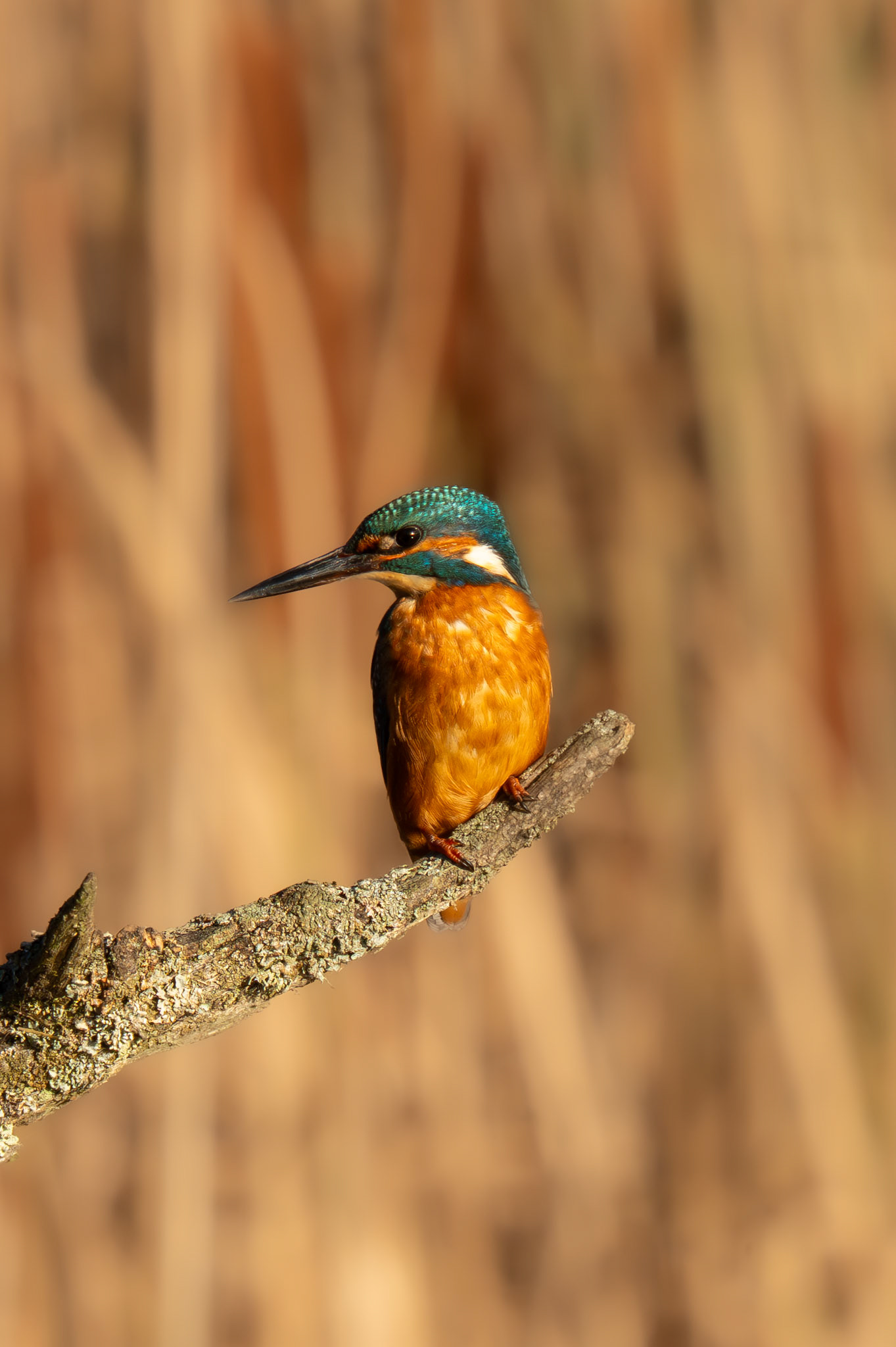
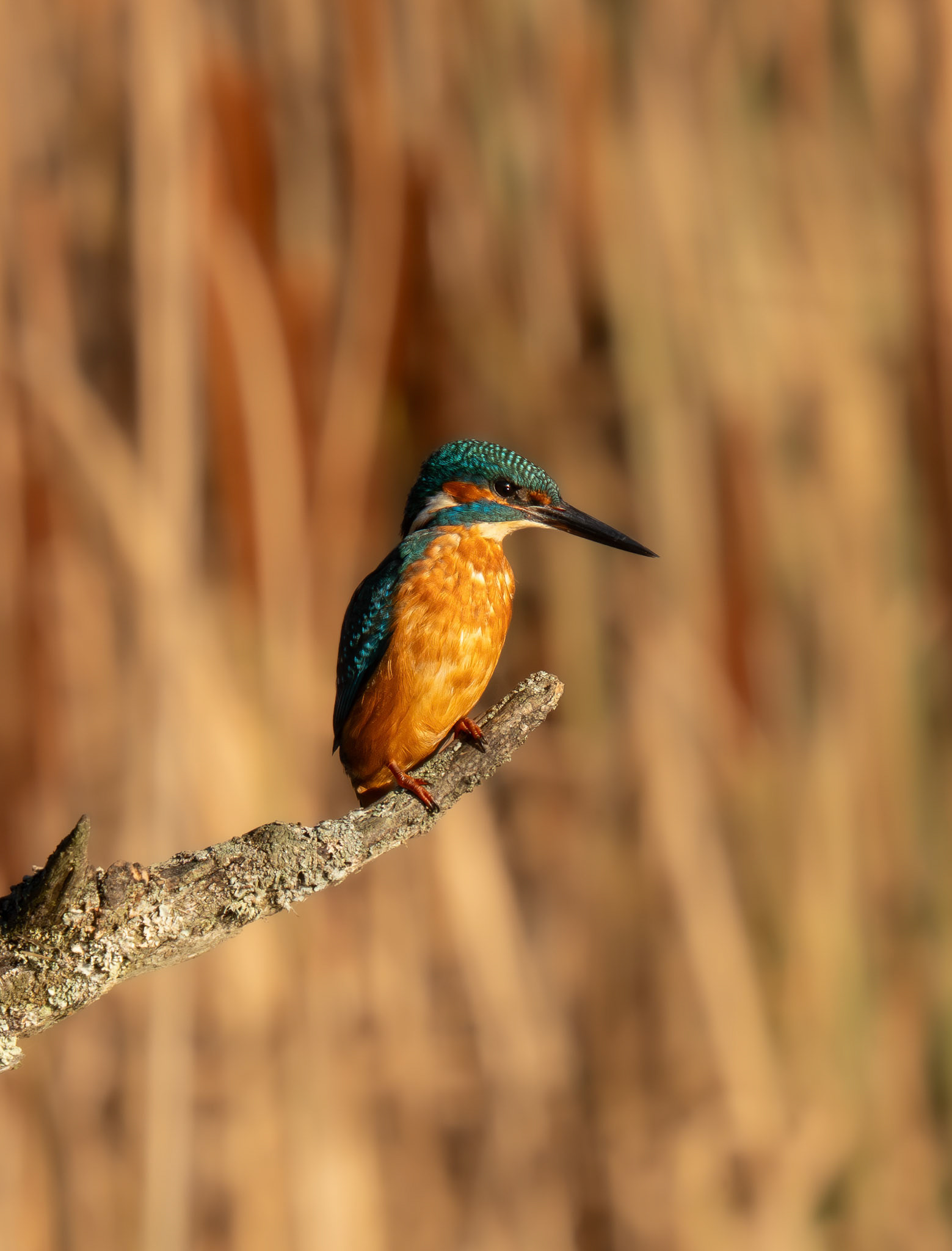
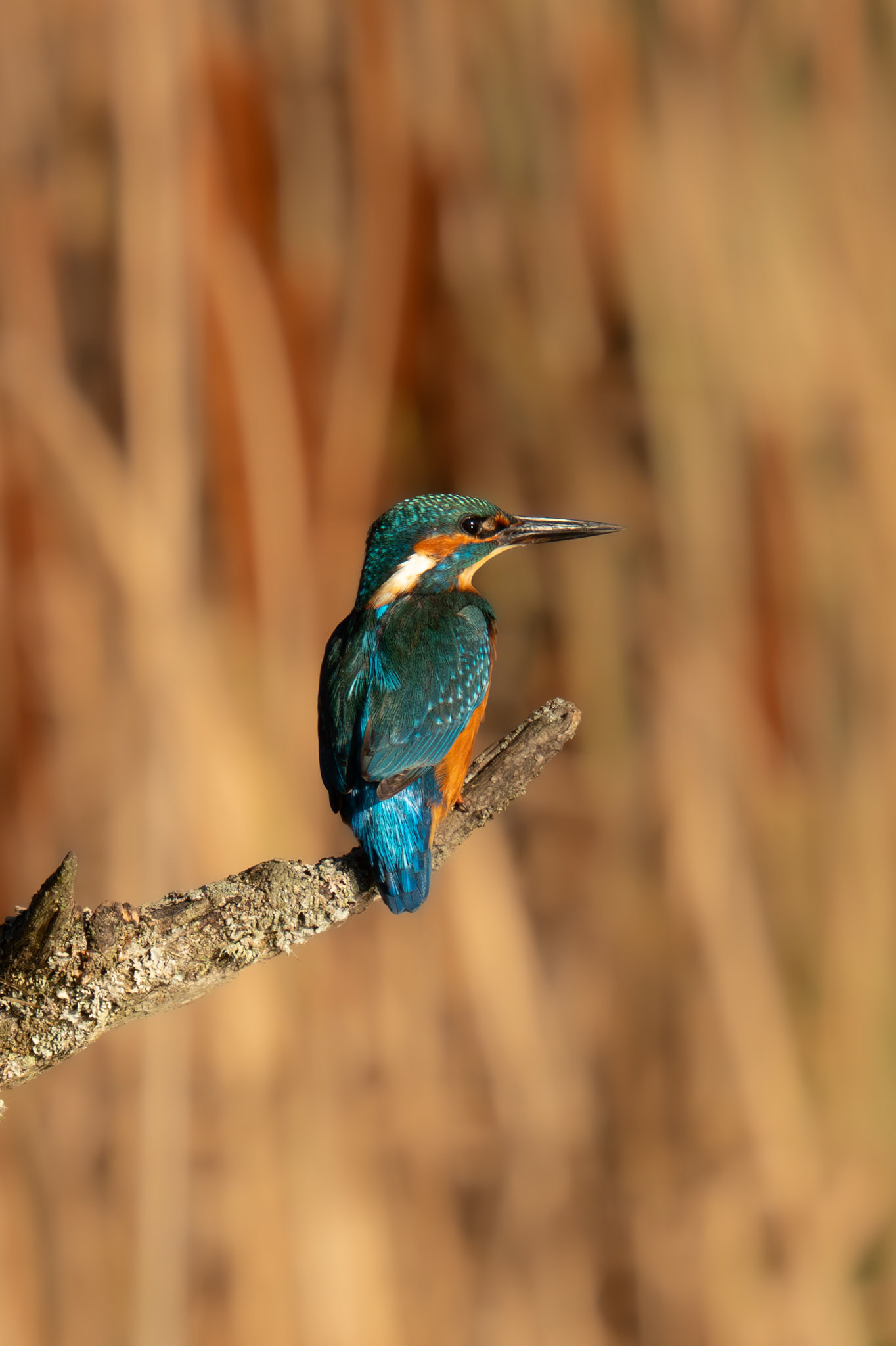
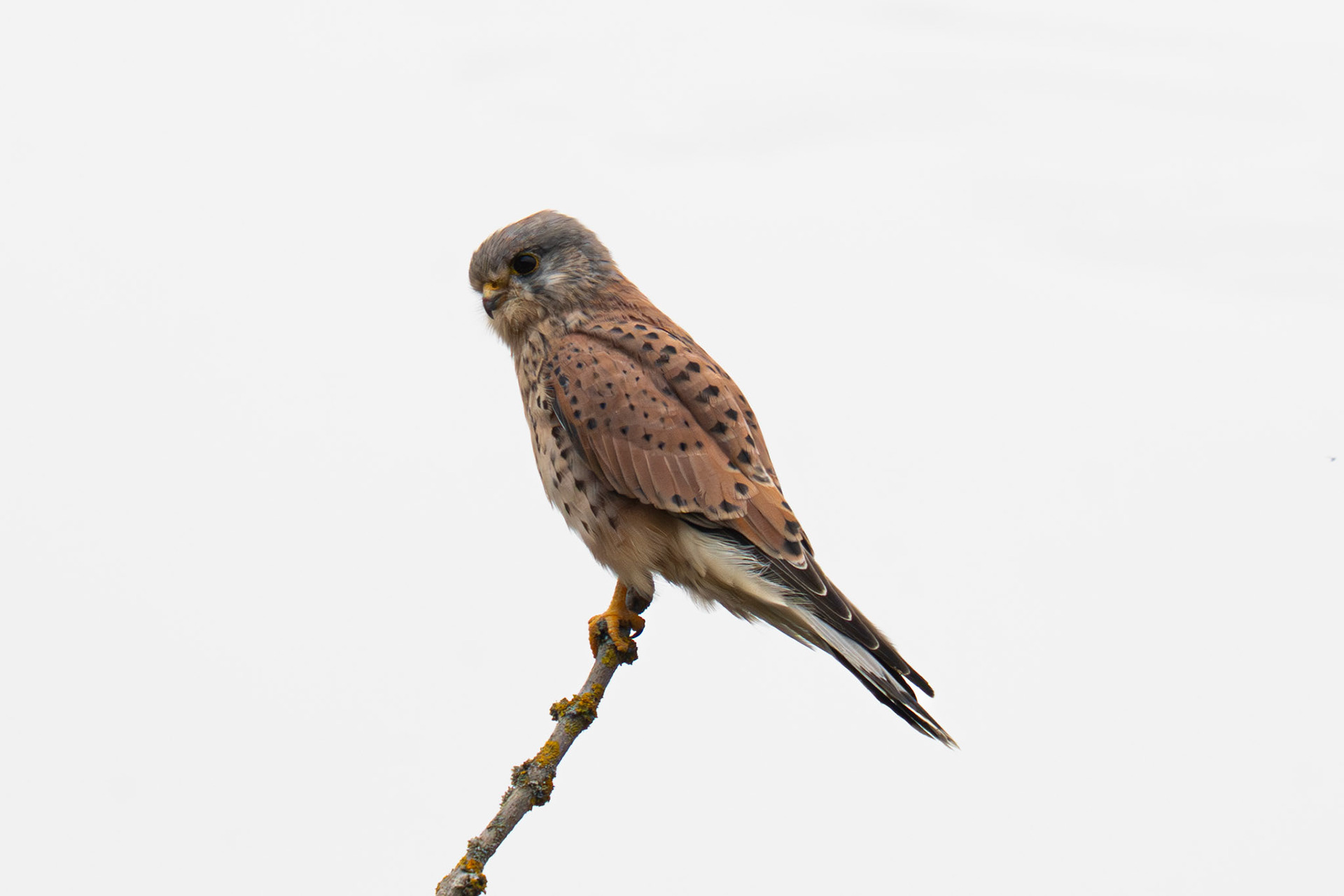
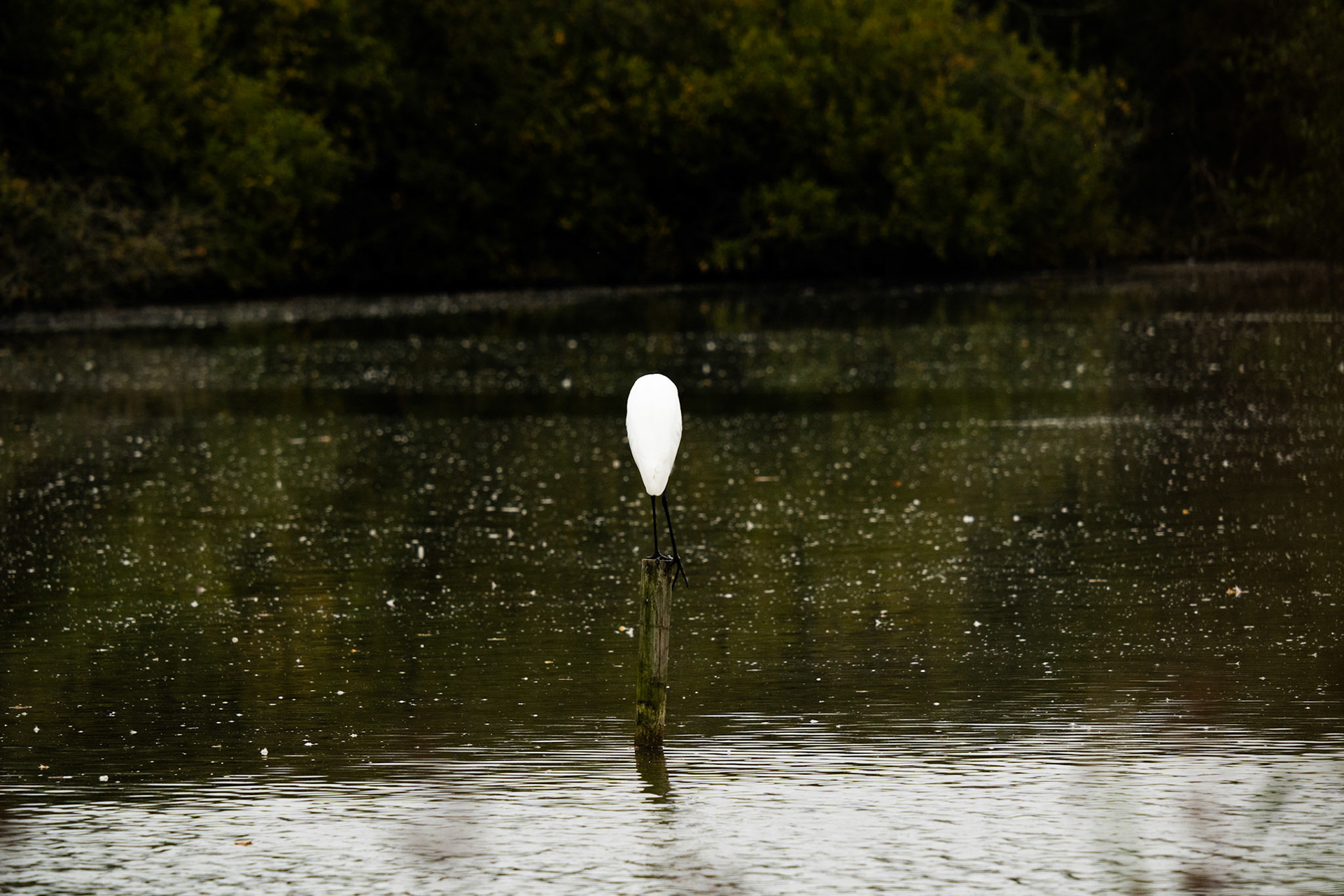
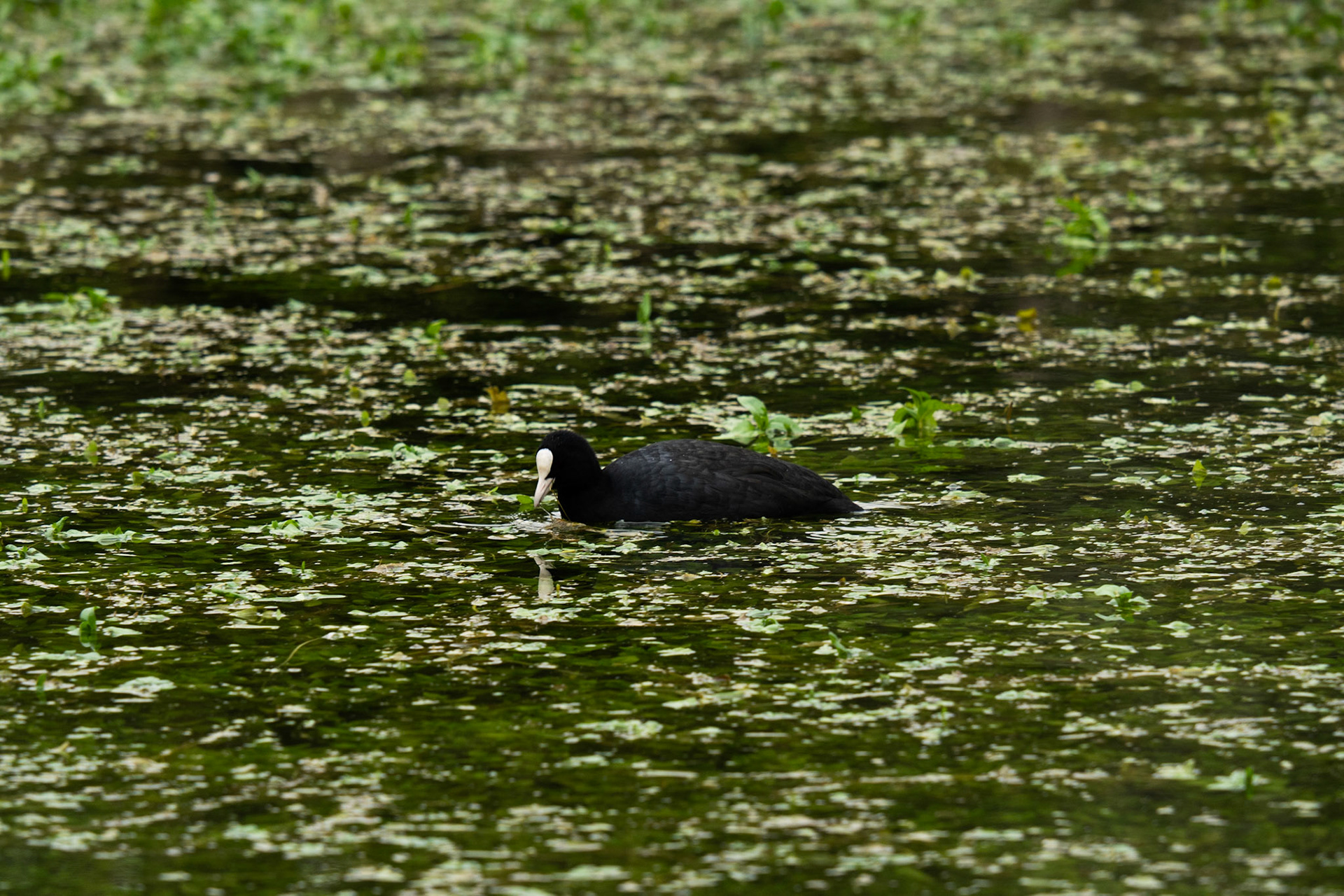
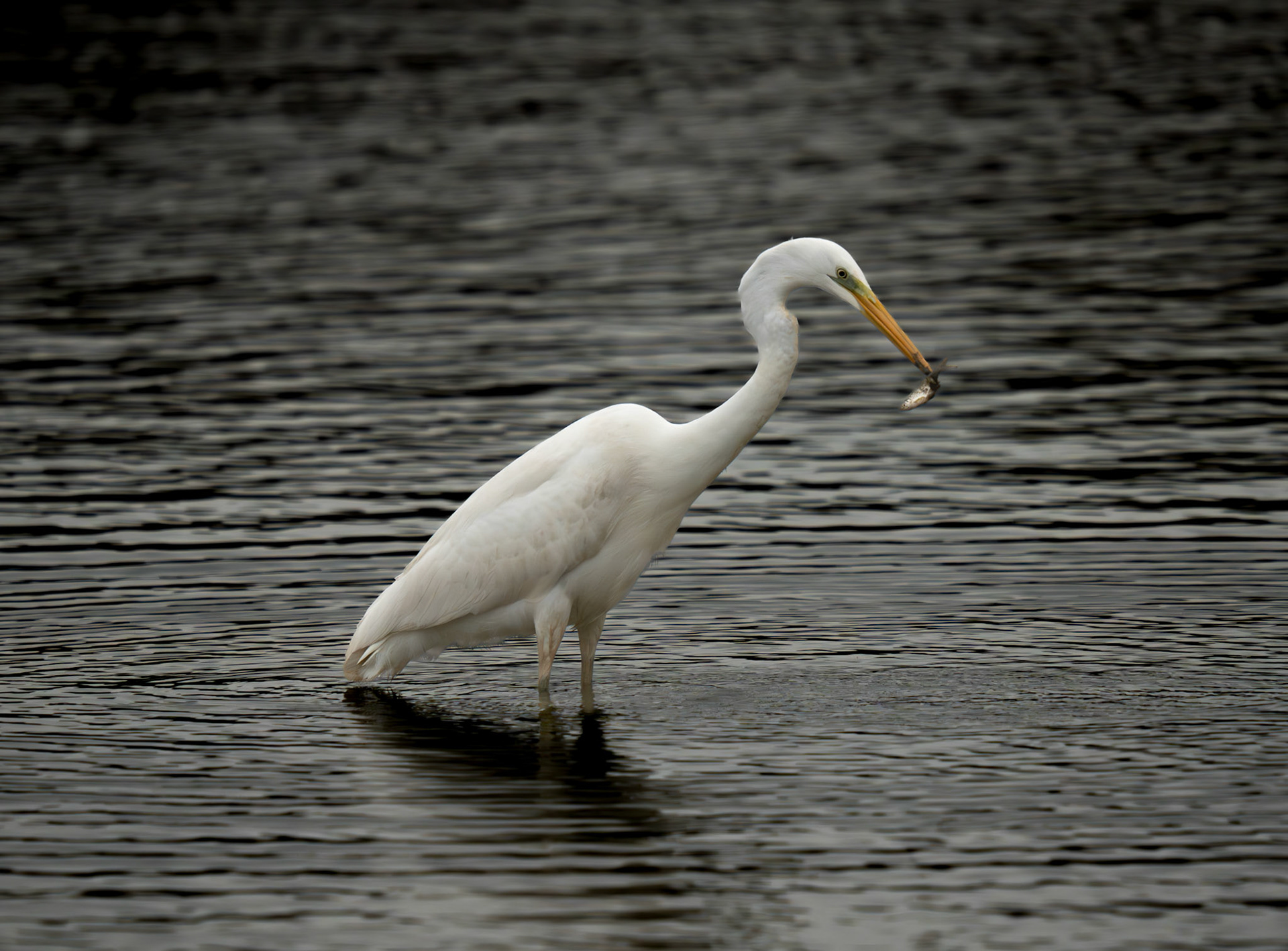
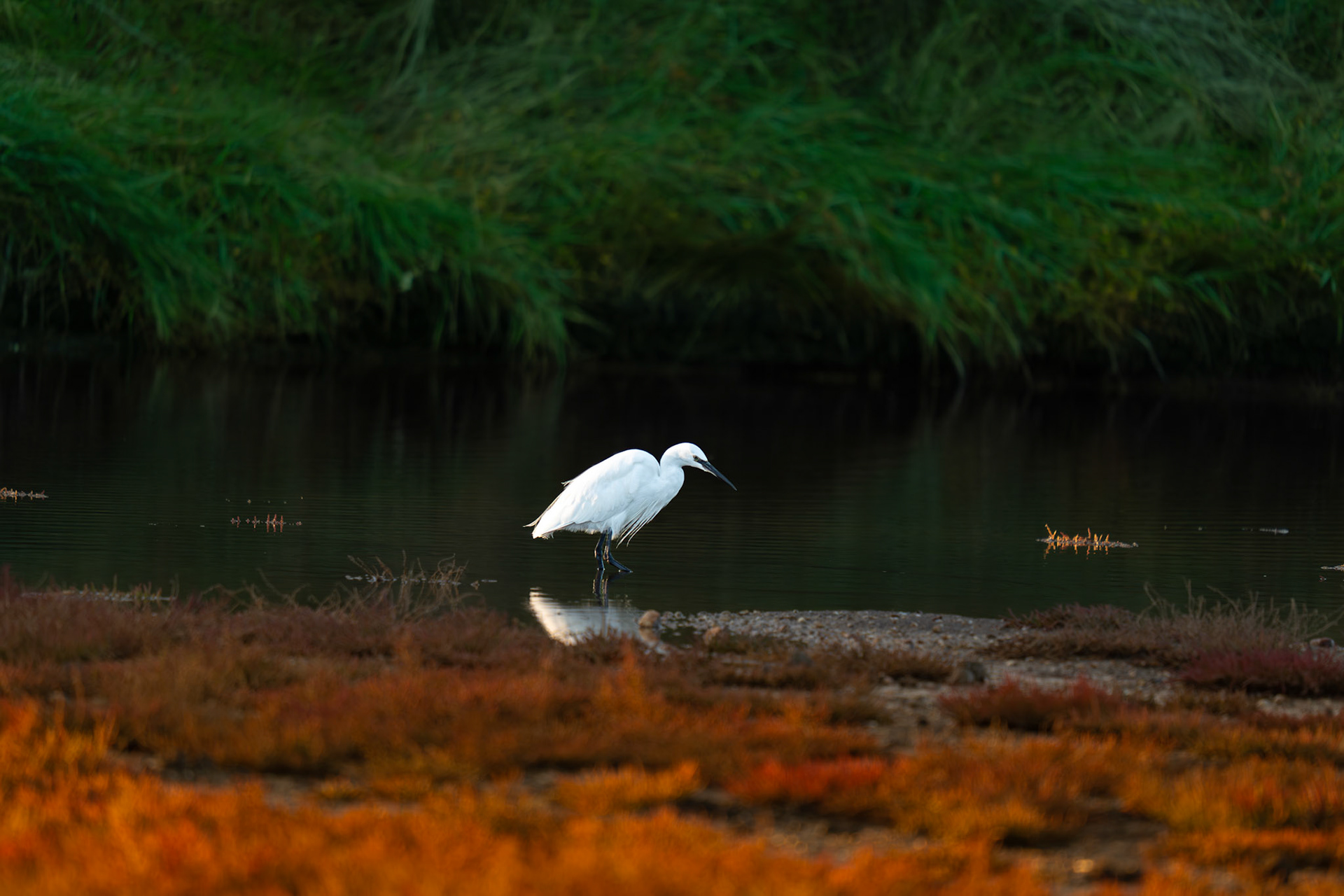
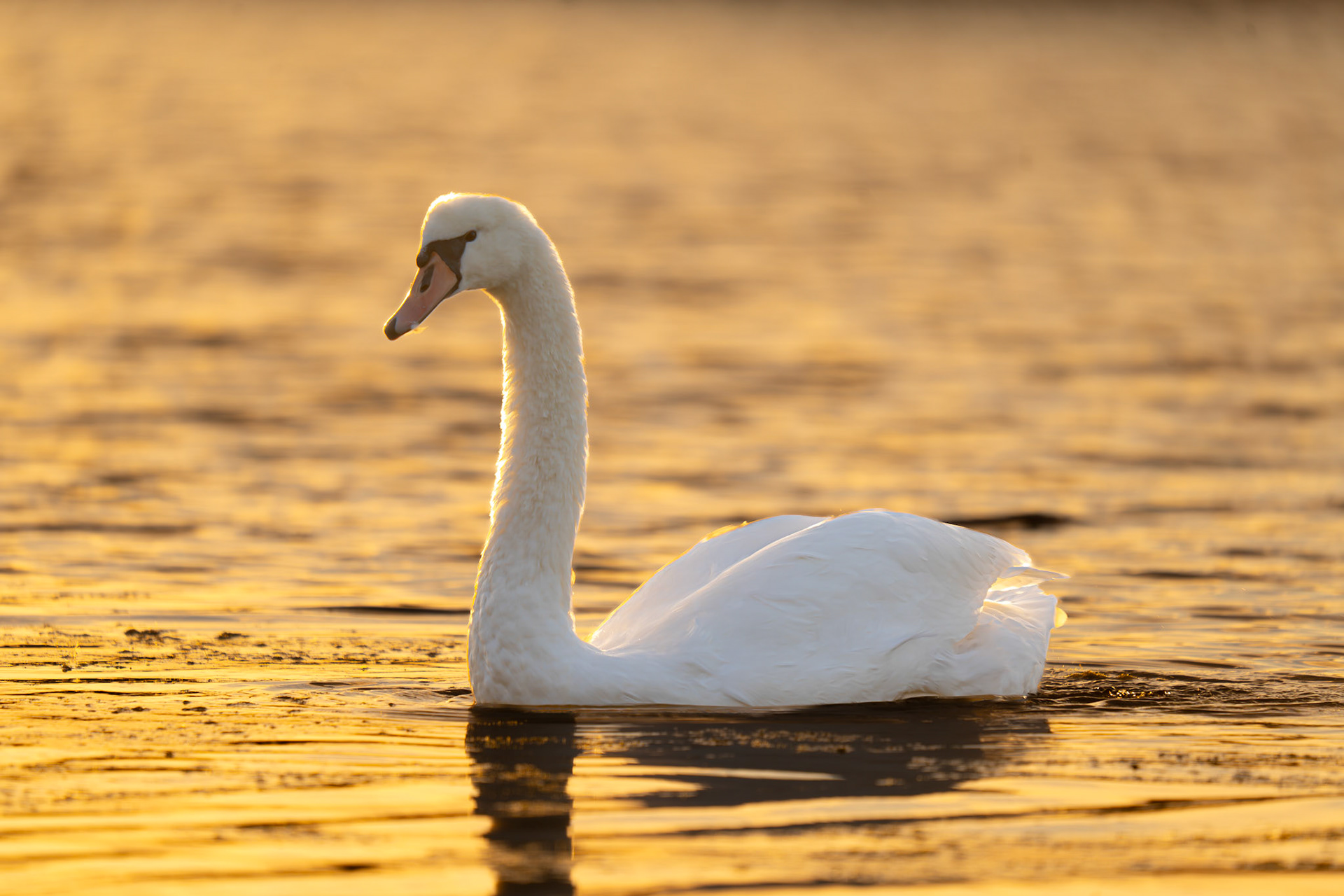
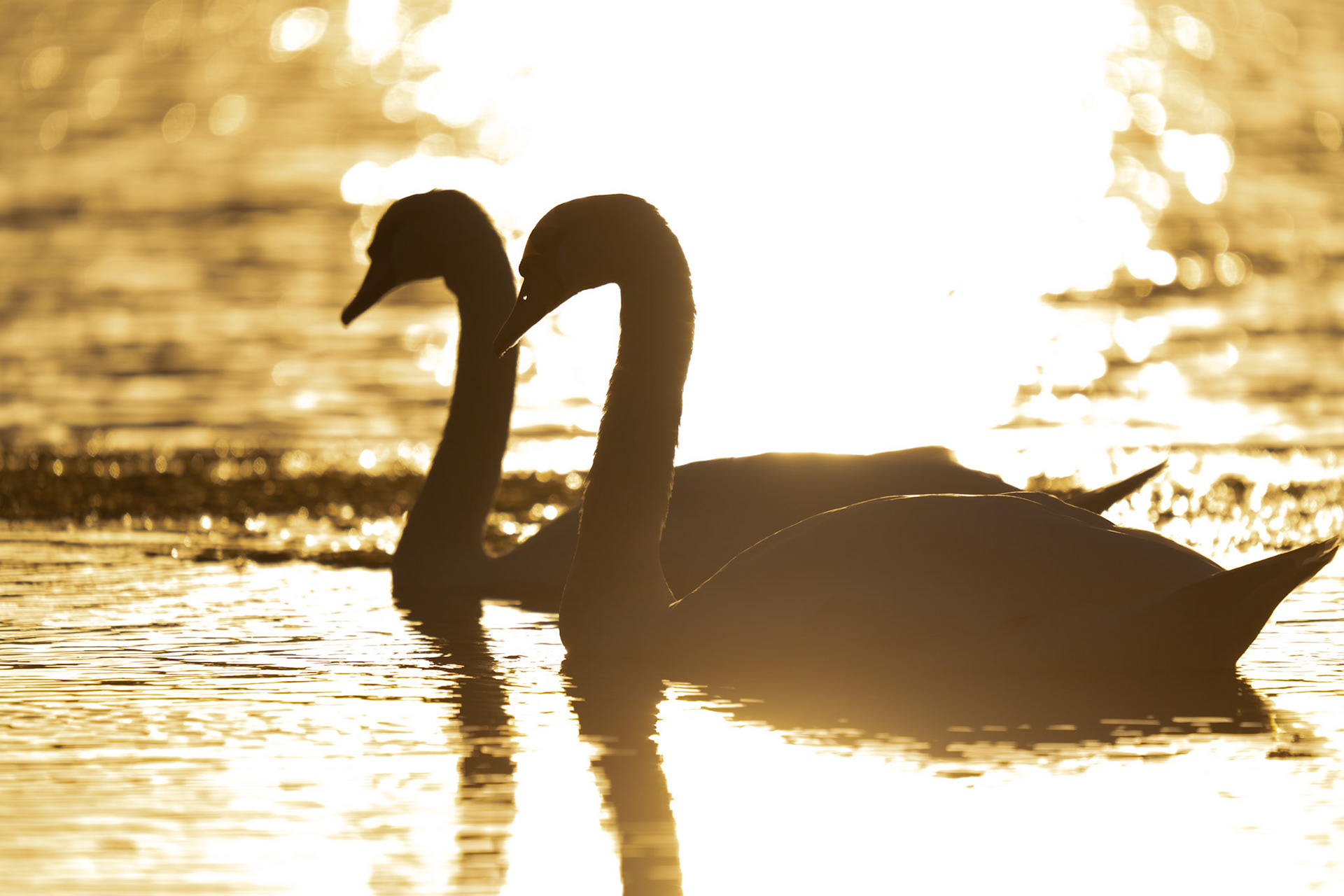
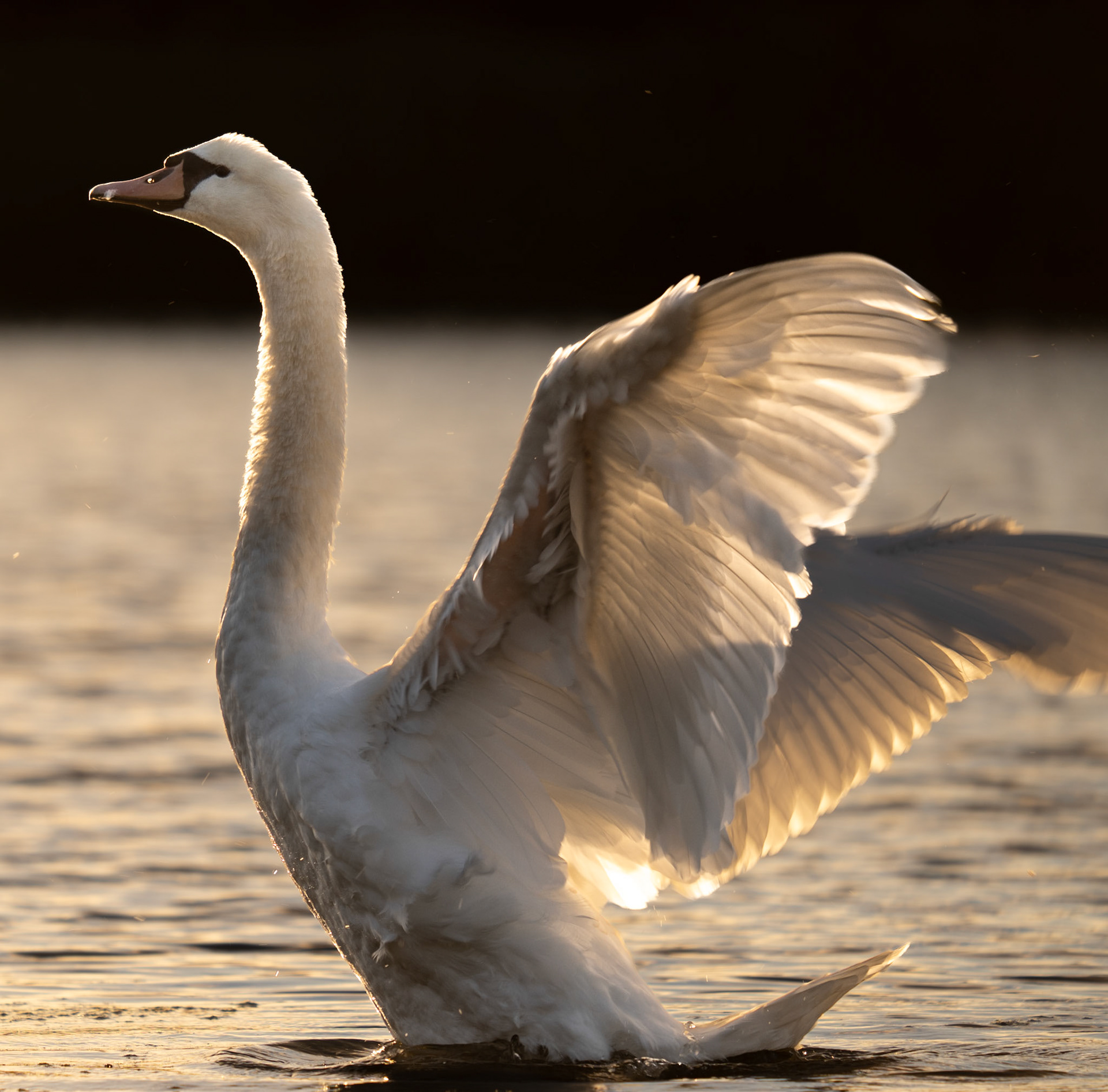
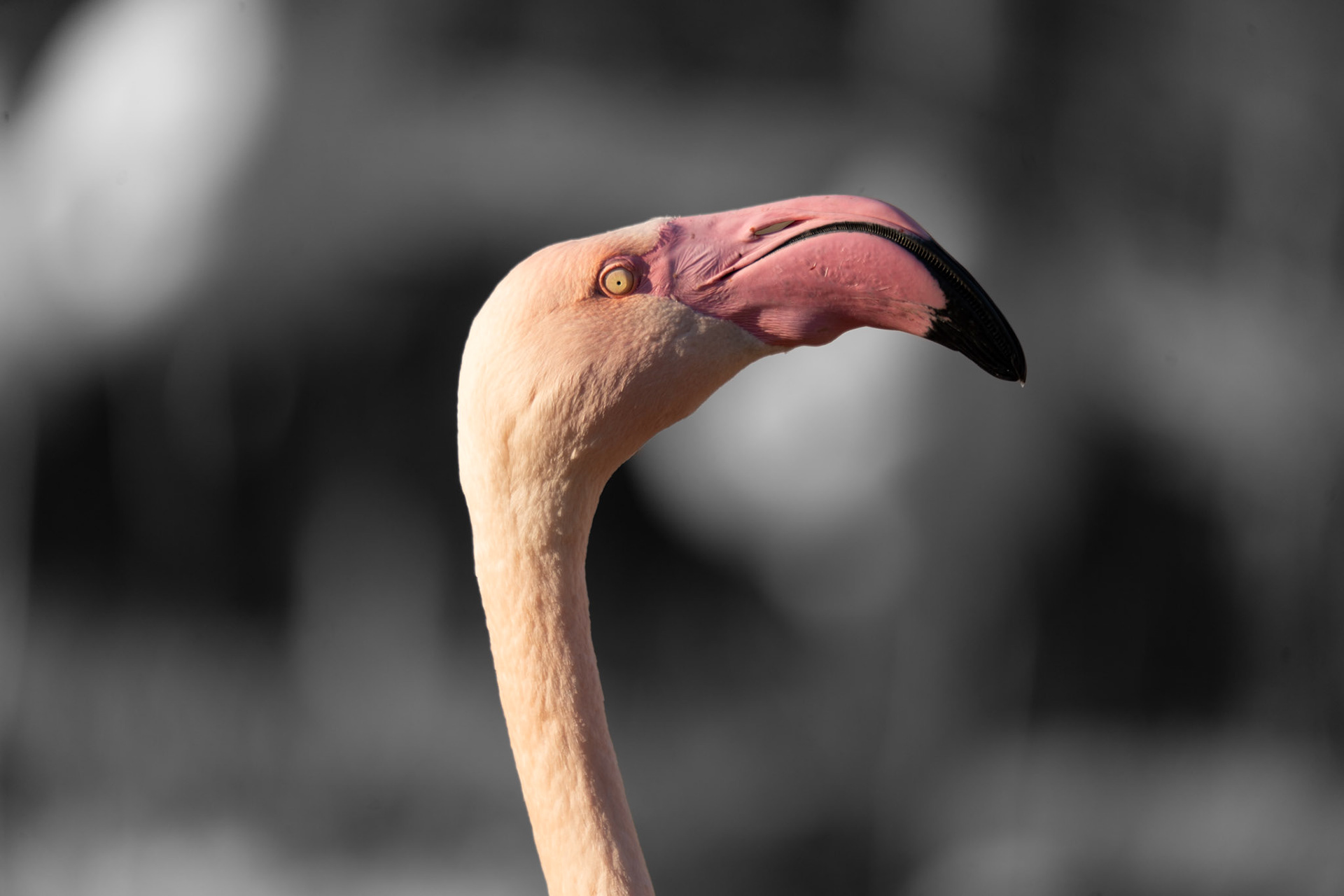
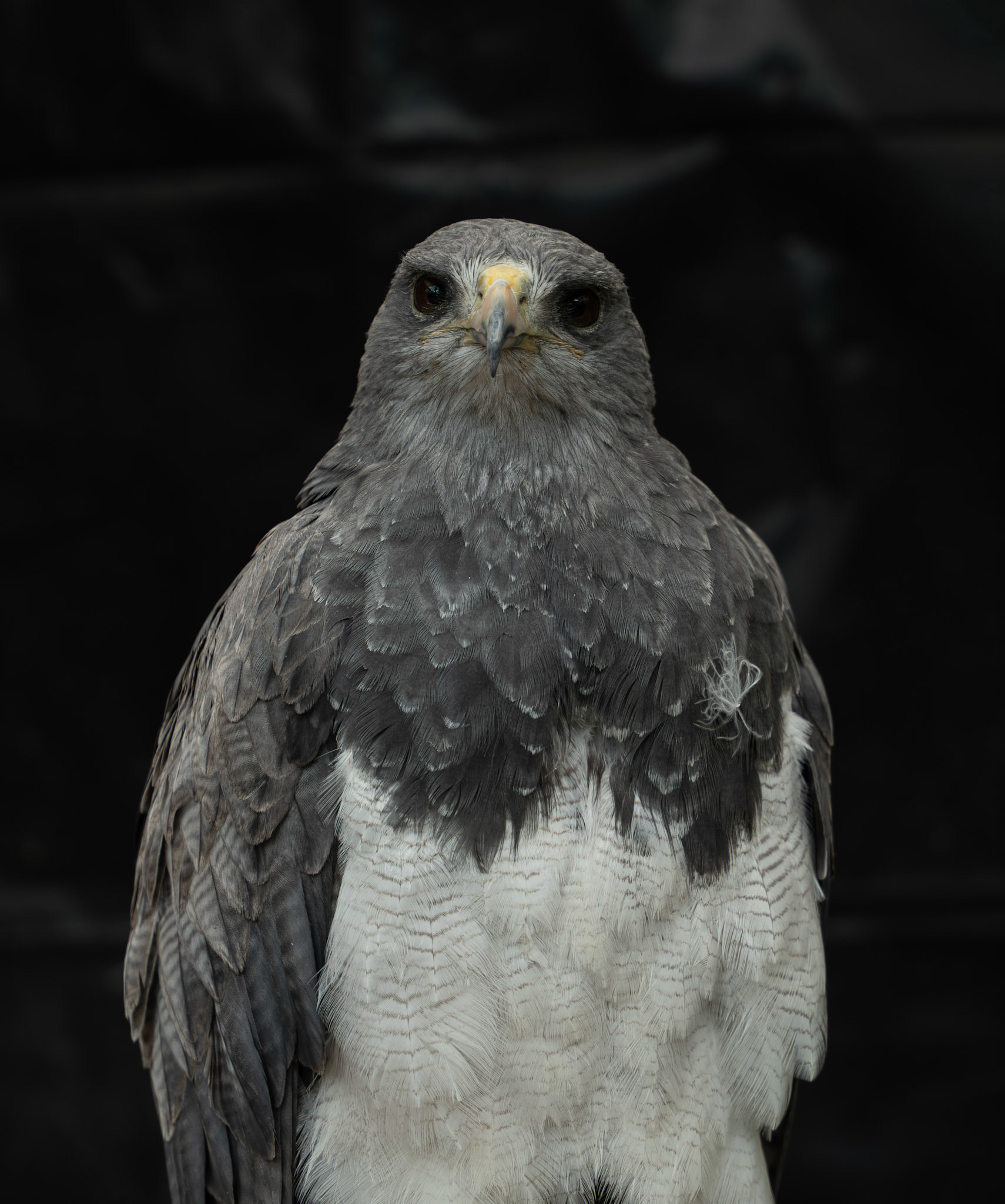
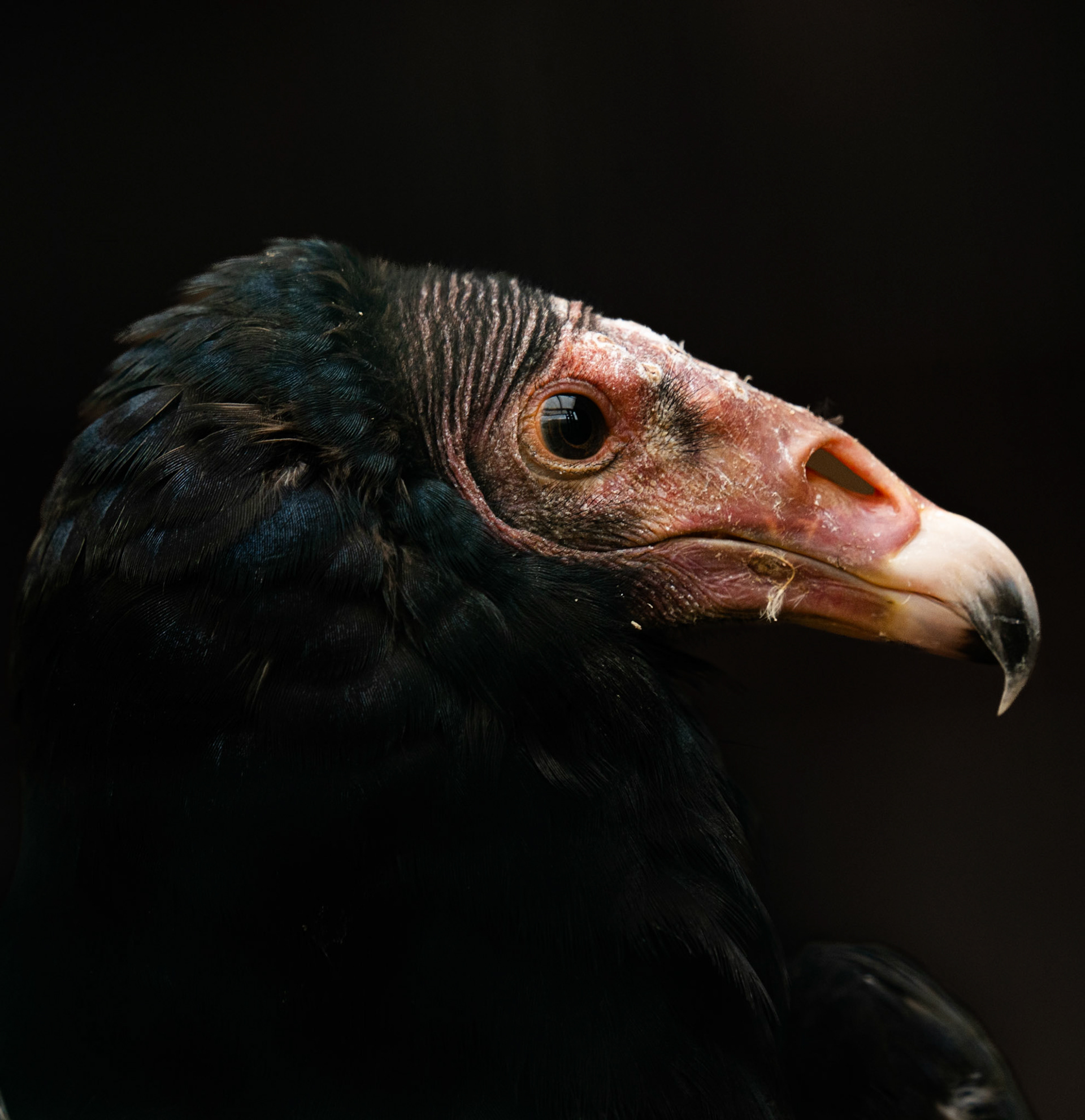
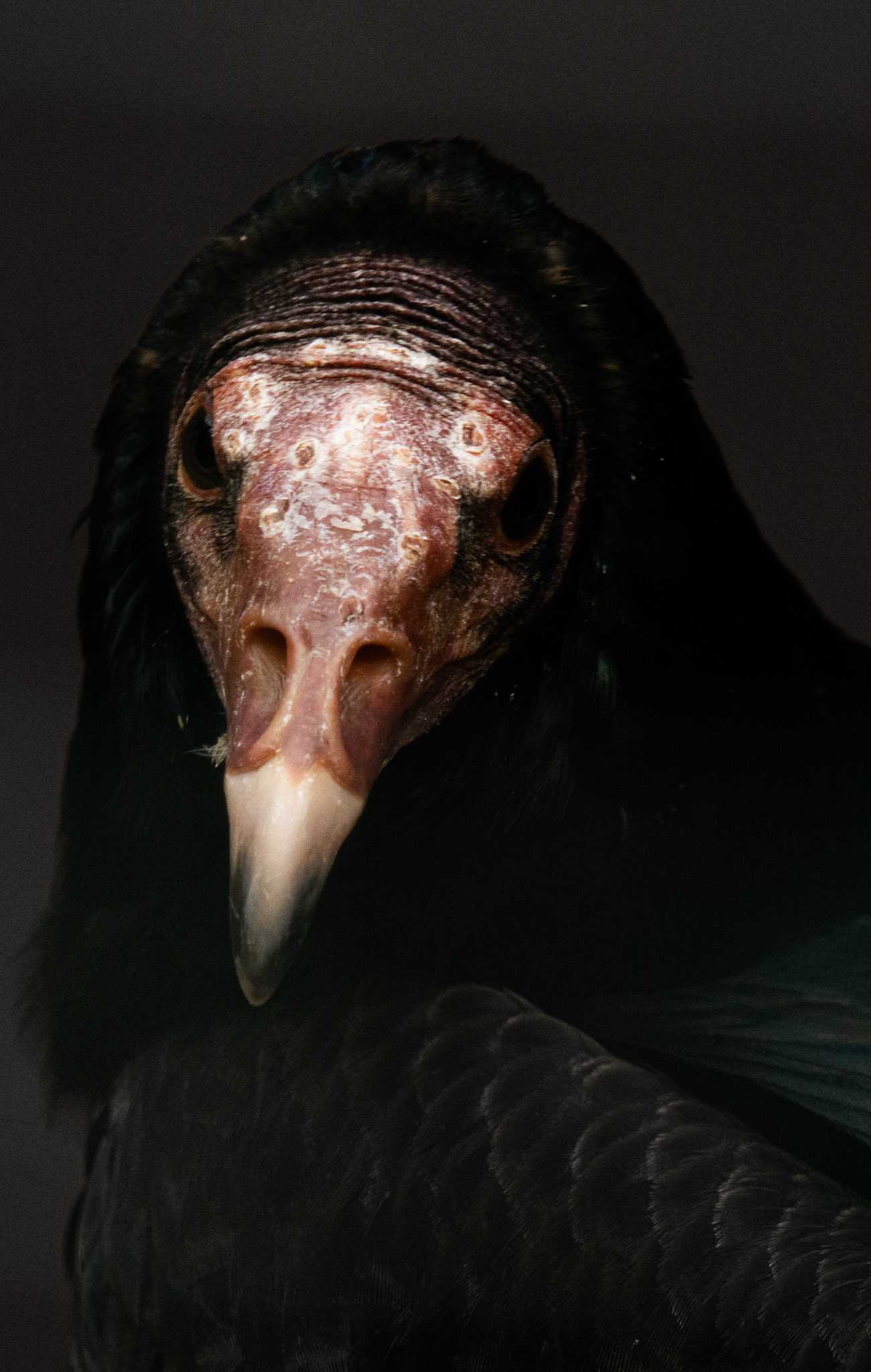
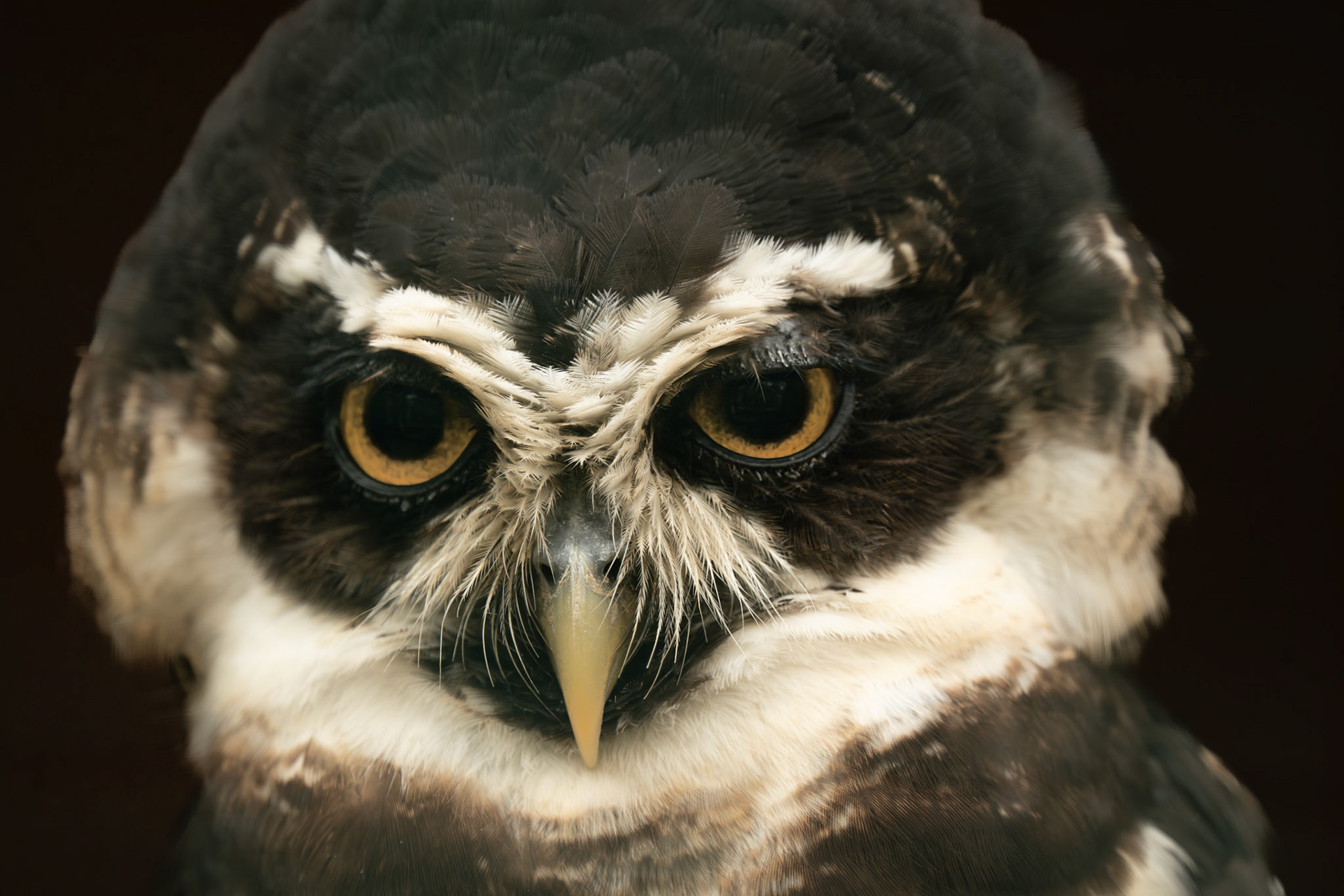
Birdwatch — Long-Term Observation Across Southern England
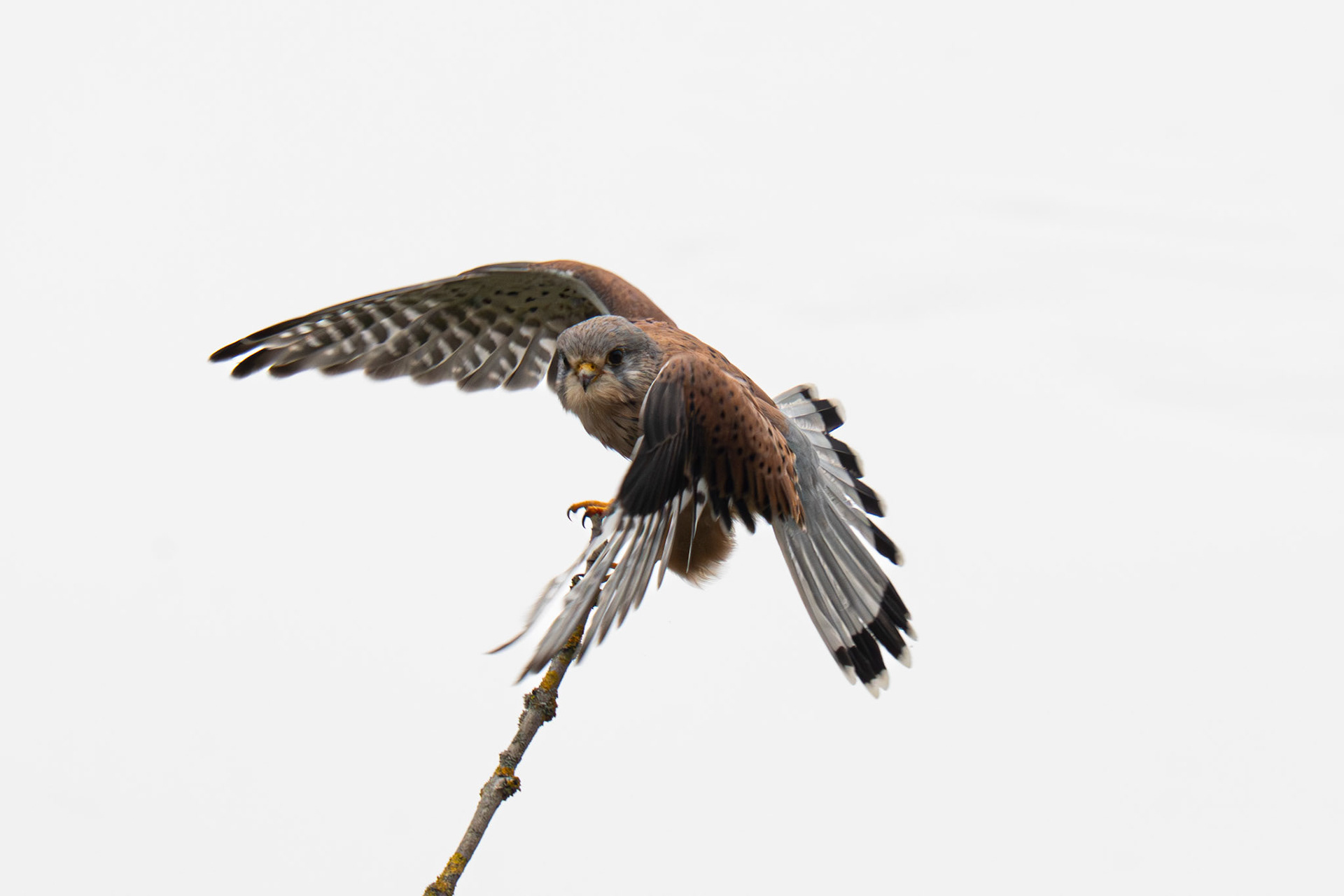
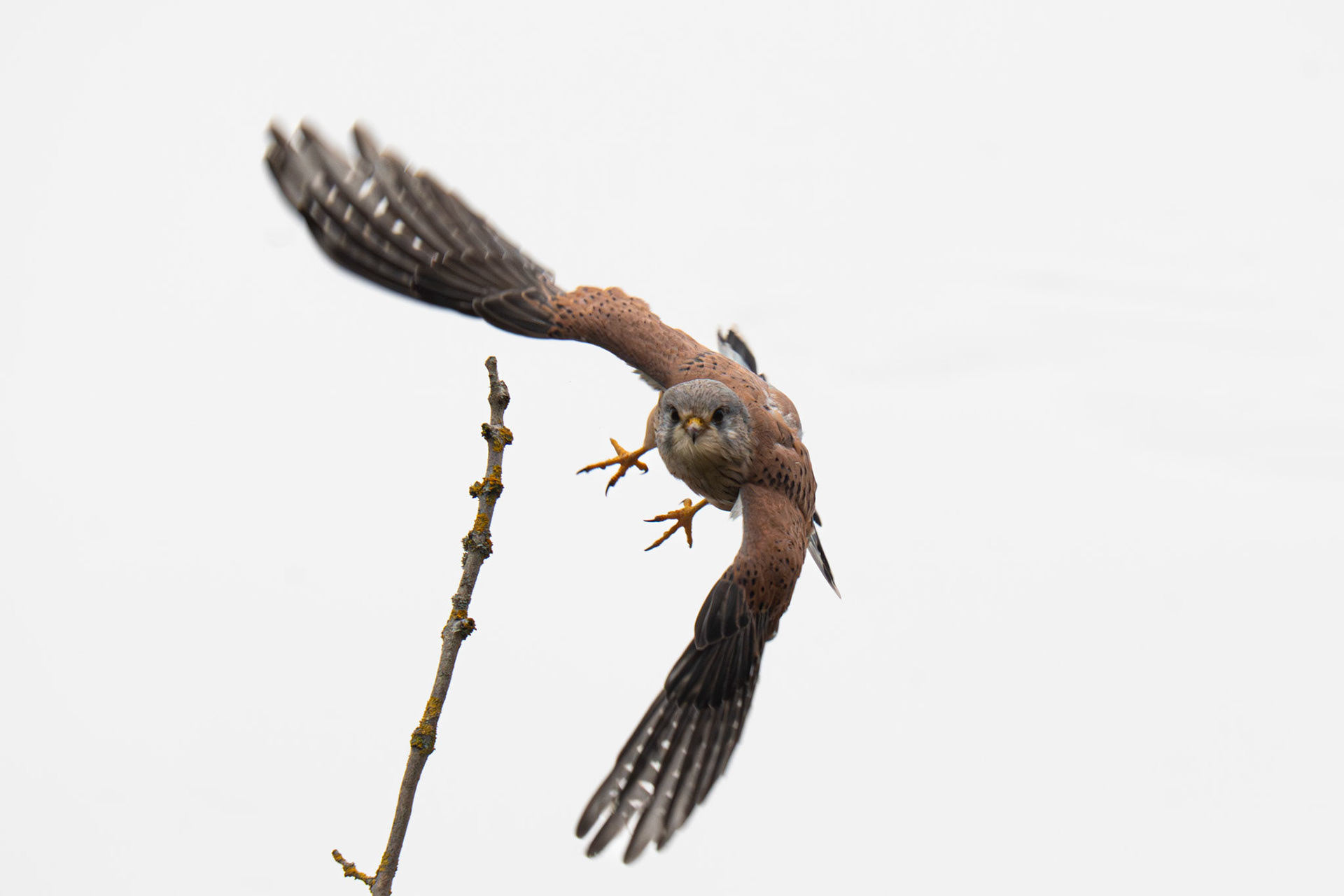
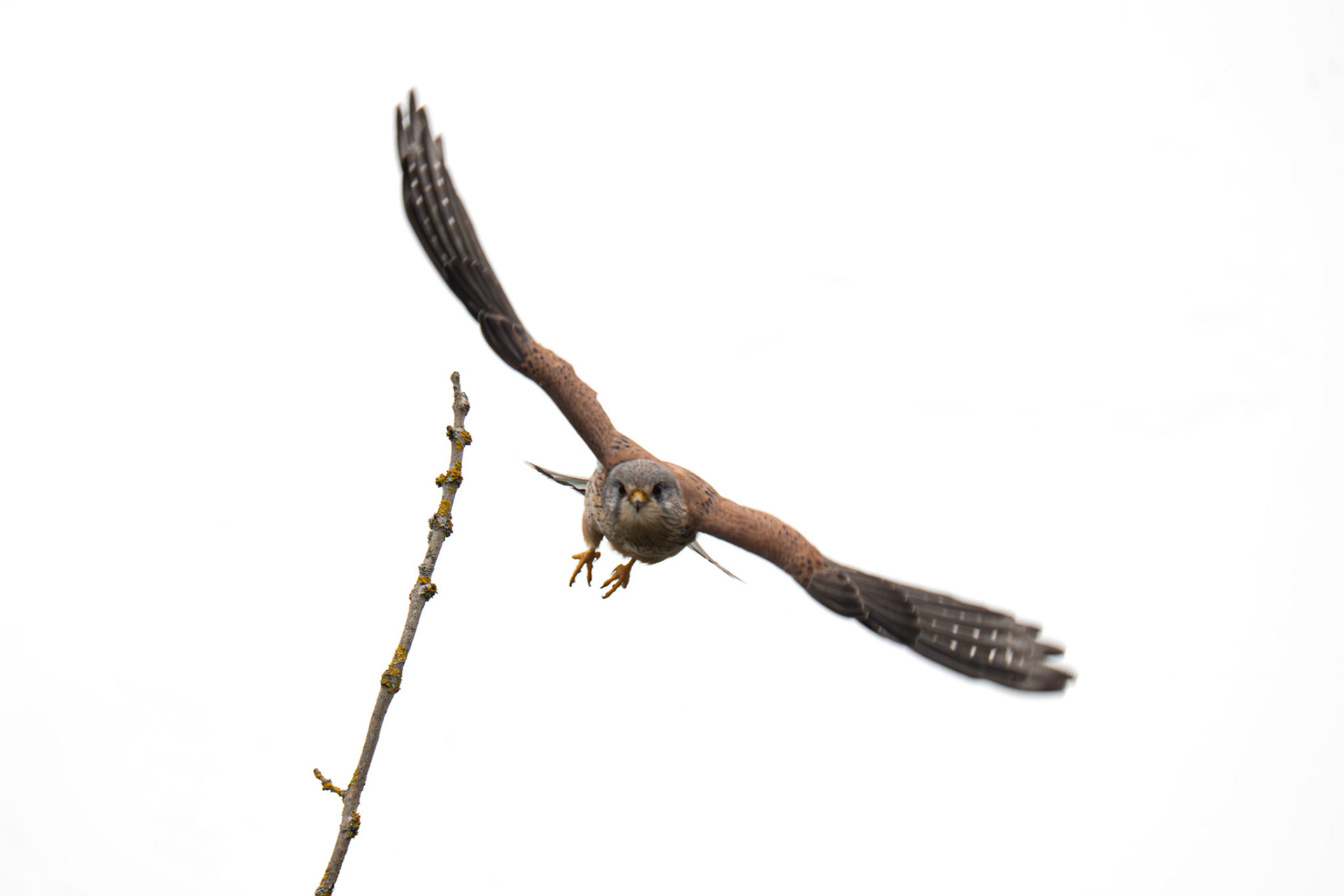
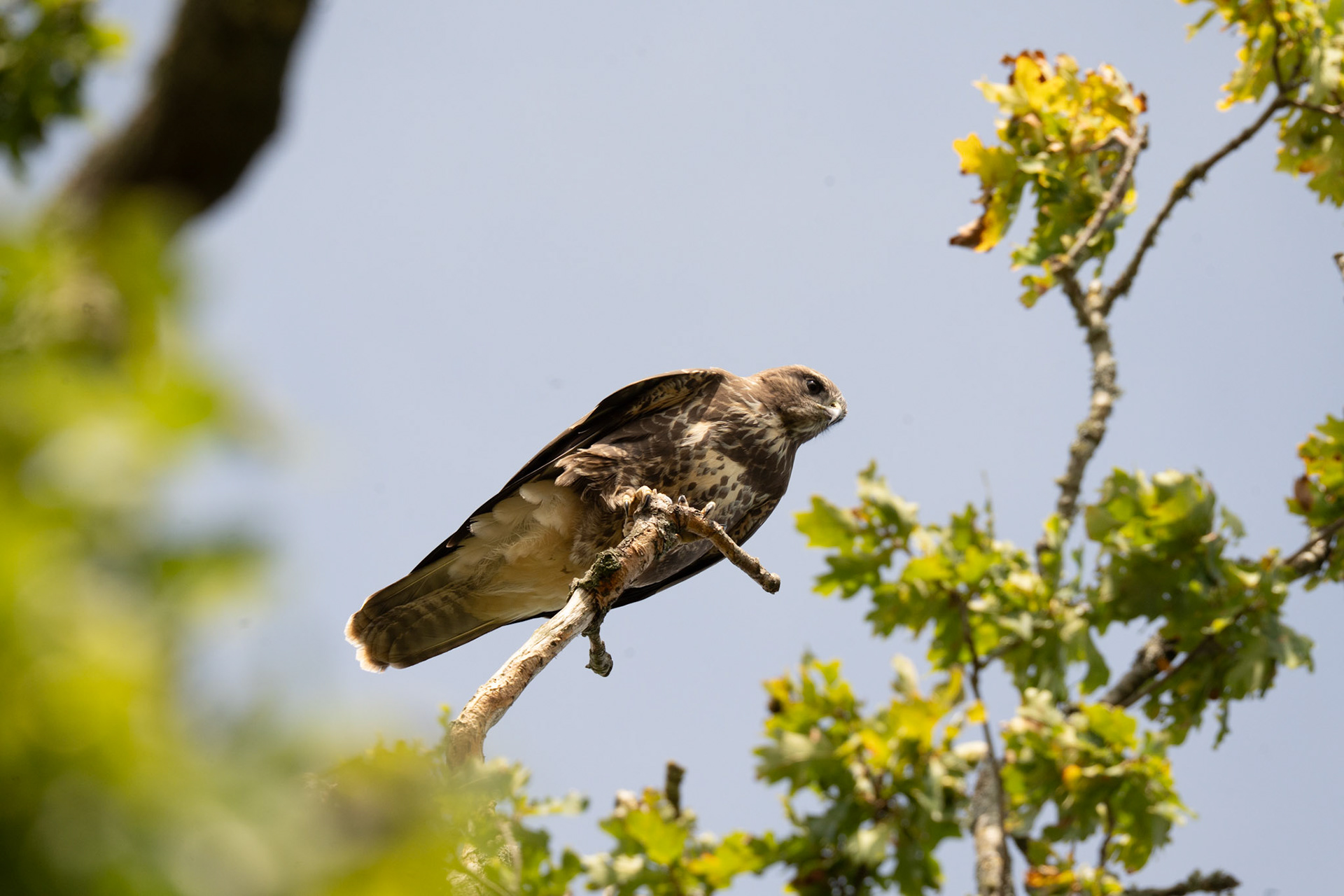
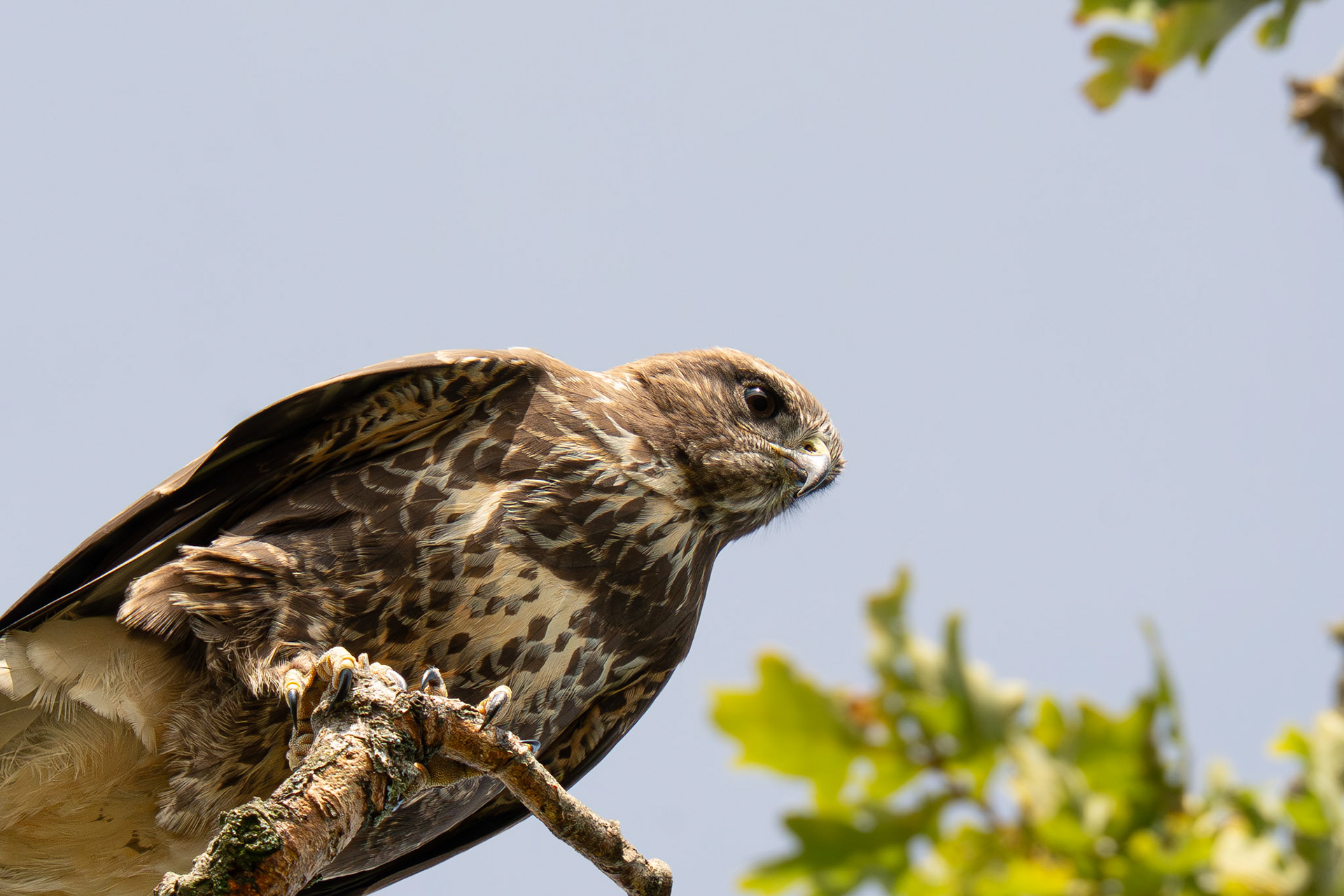
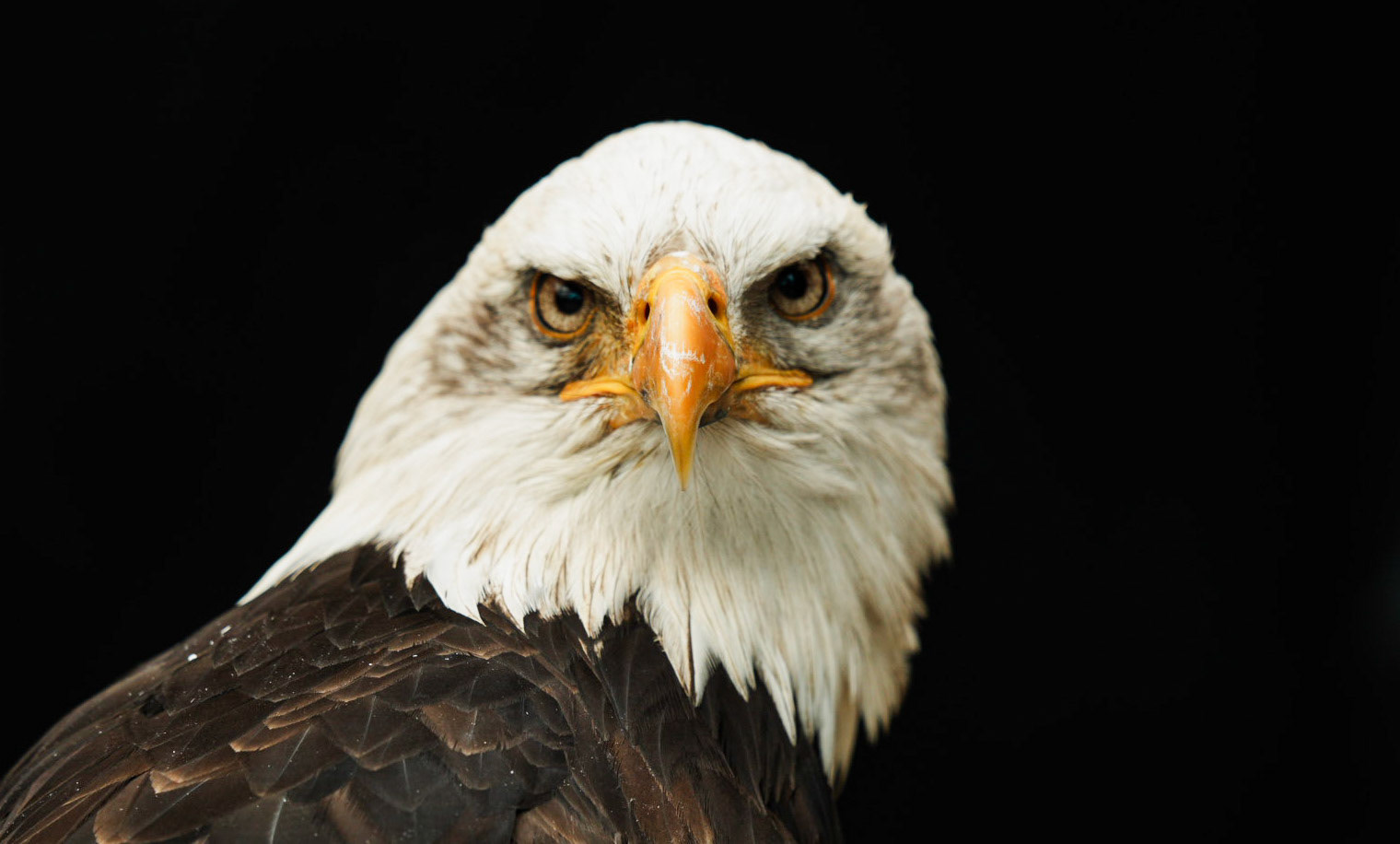
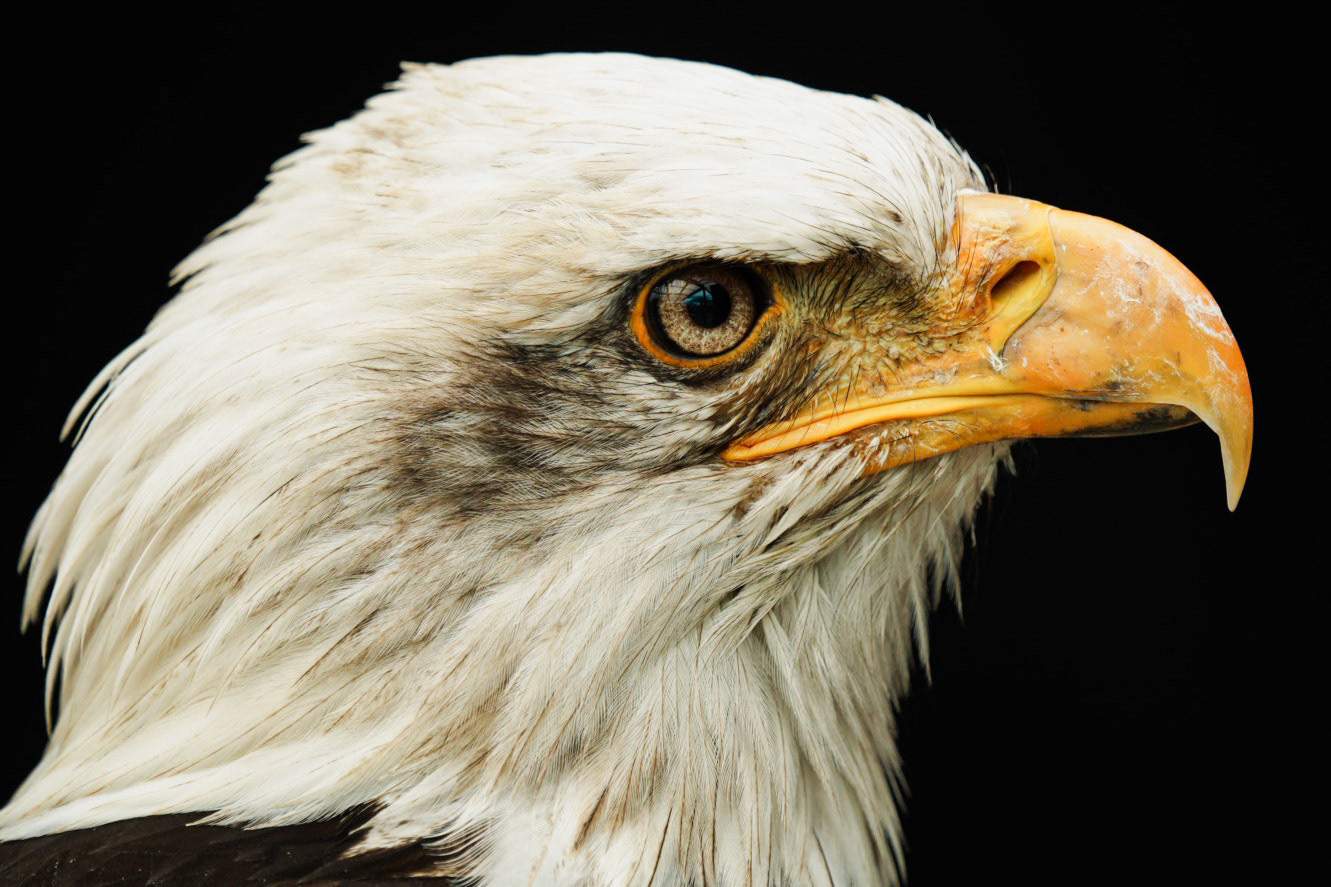
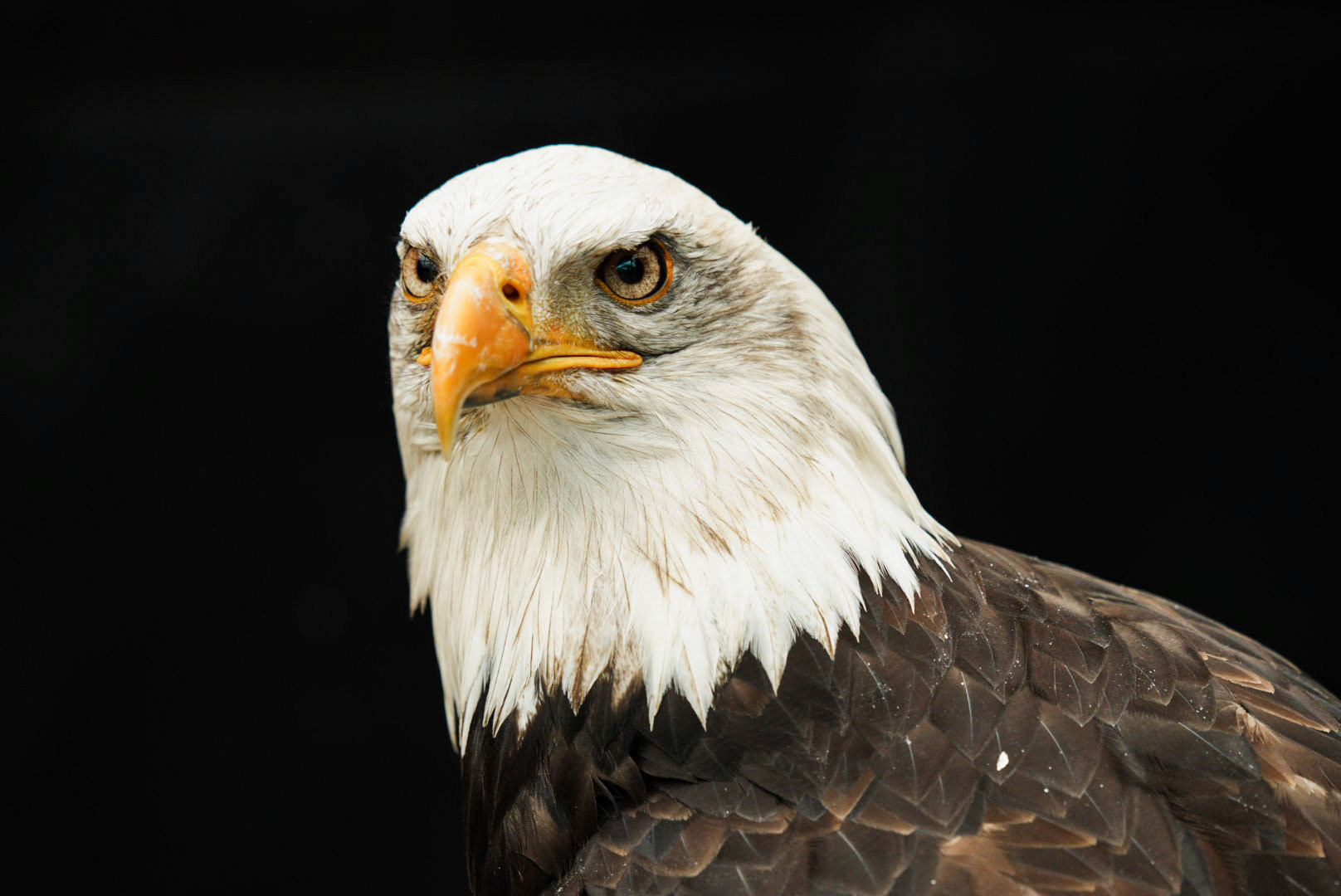
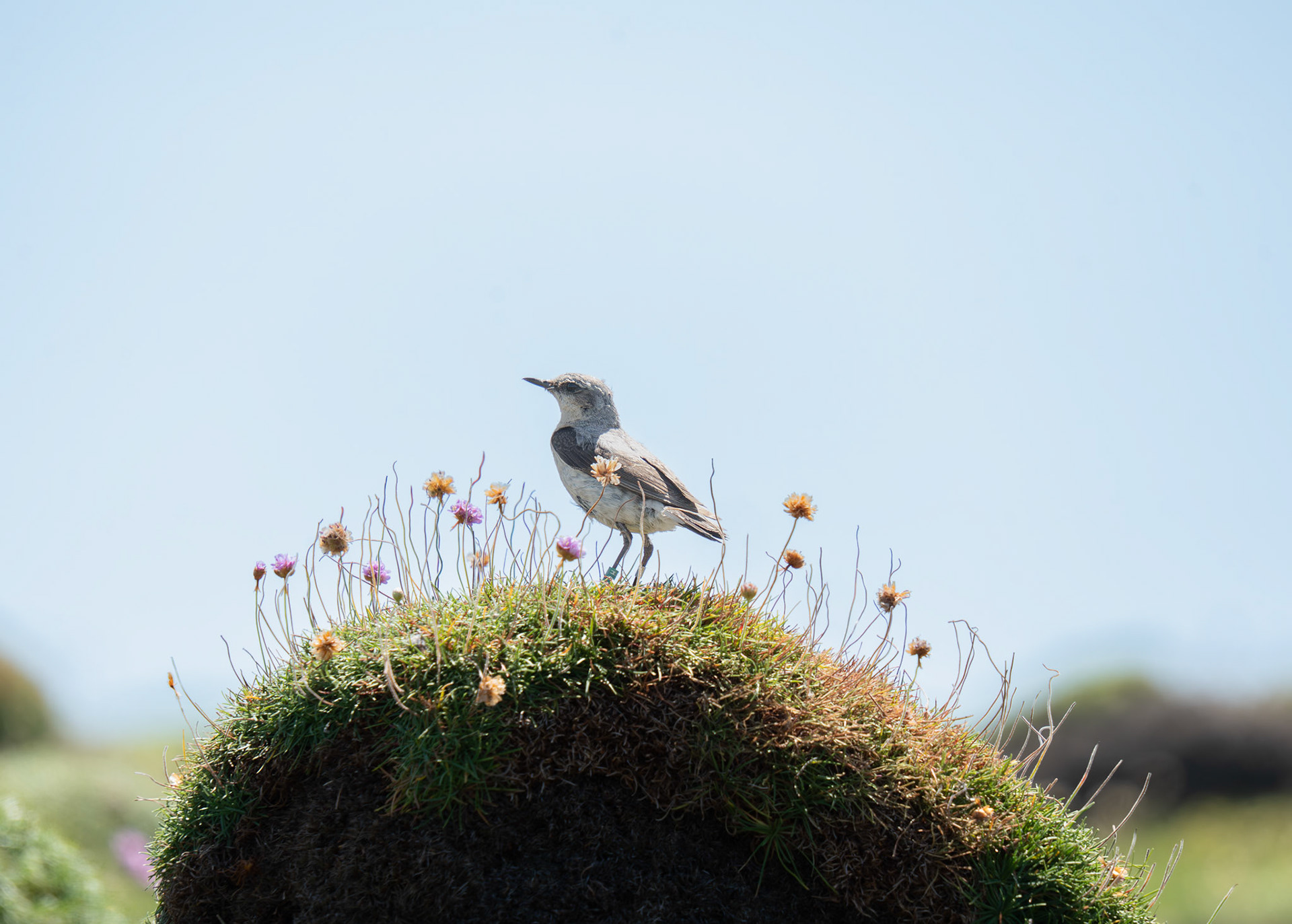
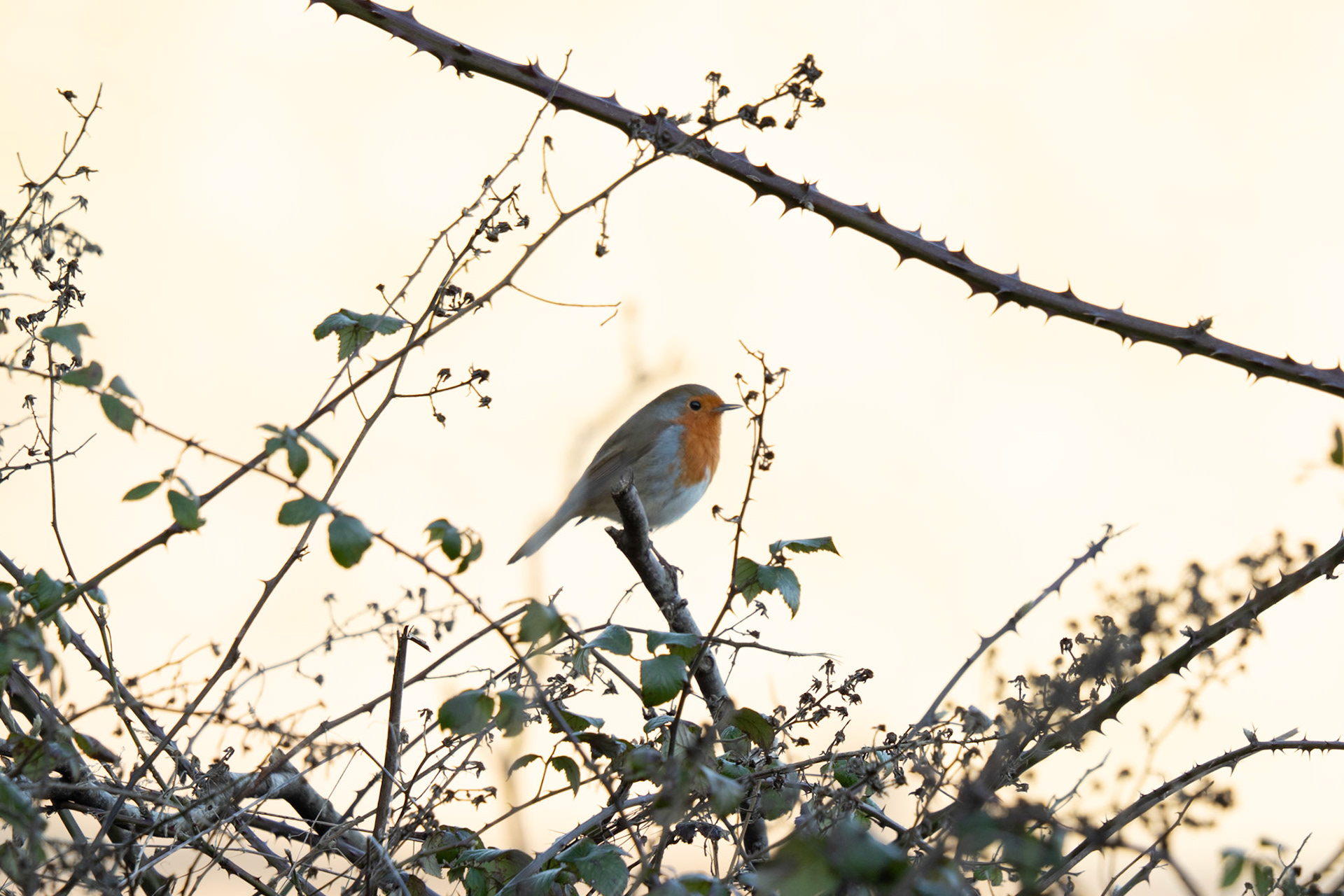
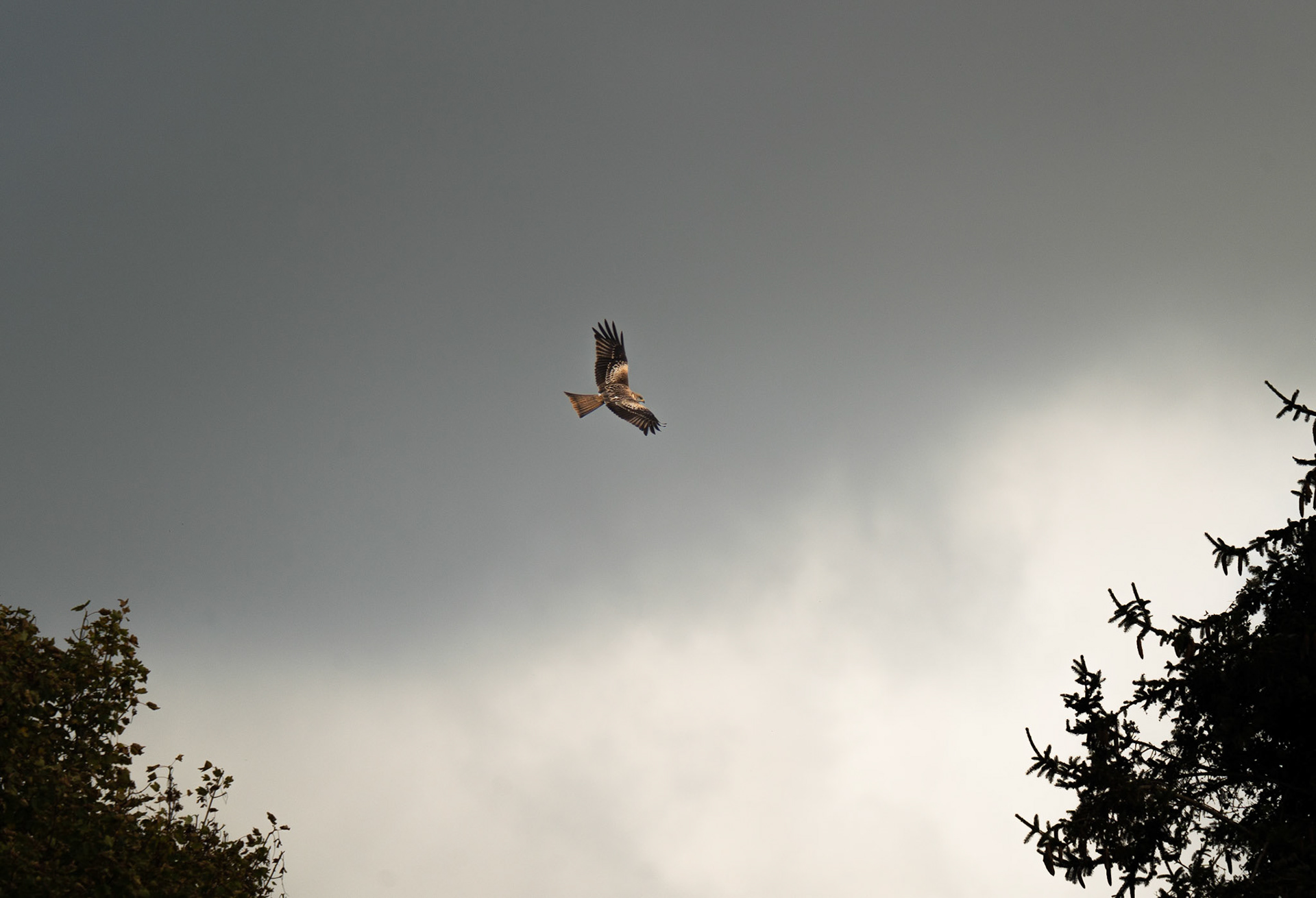
This project is built on long-term, repeated fieldwork across a wide range of locations in southern England, including Seven Sisters Country Park, WWT Arundel, Warnham Nature Reserve, Kingley Vale, coastal areas around Brighton, as well as time spent observing birds within managed environments such as Marwell Zoo and seasonal fieldwork during trips to Pembrokeshire. Rather than focusing on isolated visits, this work developed through daily and near-daily observation over extended periods.
The emphasis throughout was on learning behaviour through repetition. Returning to the same sites allowed patterns to emerge gradually — seasonal shifts, nesting and breeding cycles, hunting and fishing techniques, preferred perches and feeding locations, and responses to weather, light, and human presence. Listening played a crucial role; recognising calls, alarms, and contact sounds often provided the first indication of activity long before birds became visible.
Fieldwork took place across all conditions — wind, rain, frost, heat, flat light, and rapidly changing weather. Many days produced no usable images or footage, but these sessions remained essential to the process. Time spent without visible results built familiarity with place and behaviour, increasing the likelihood of anticipating brief, unpredictable moments when they occurred.
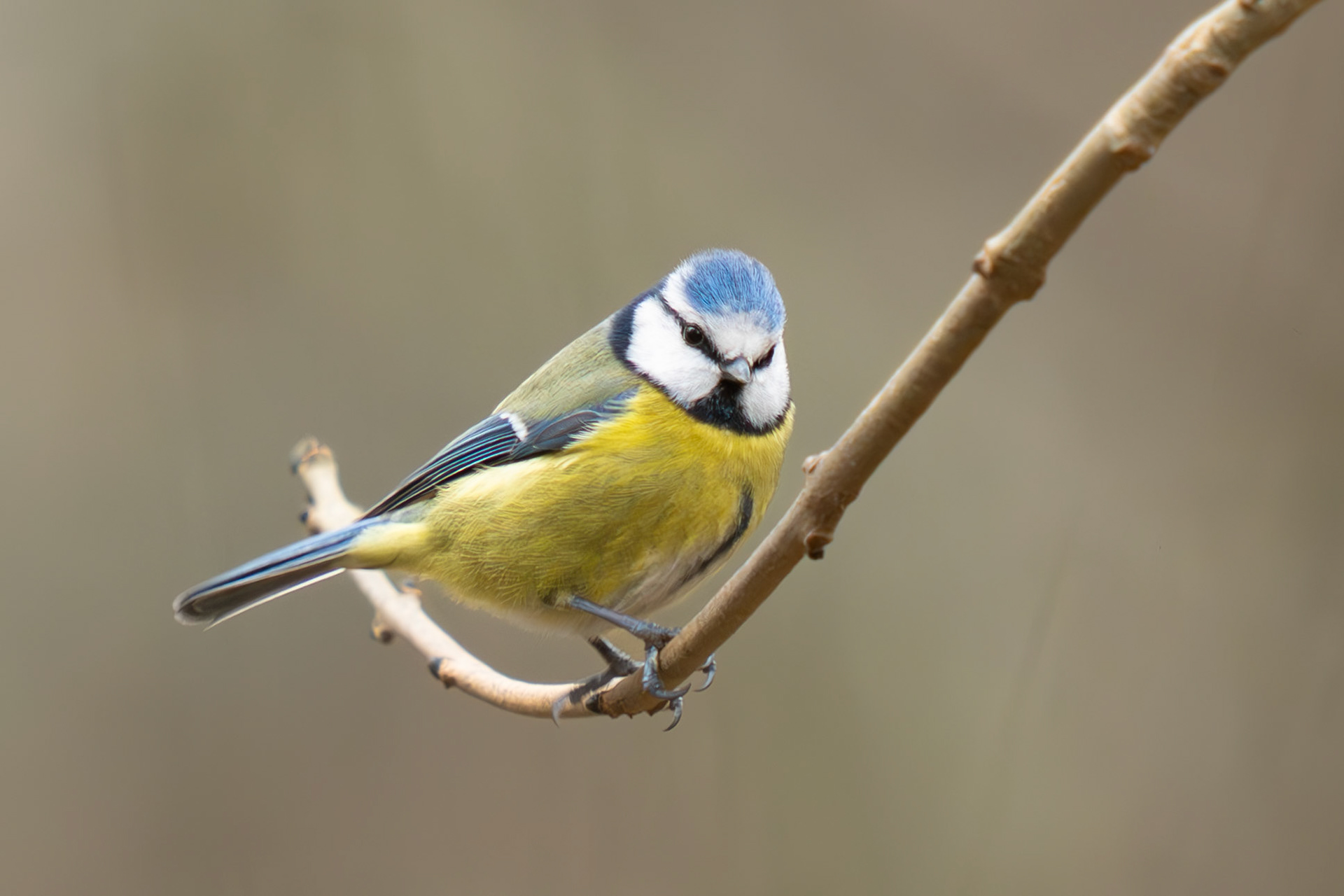
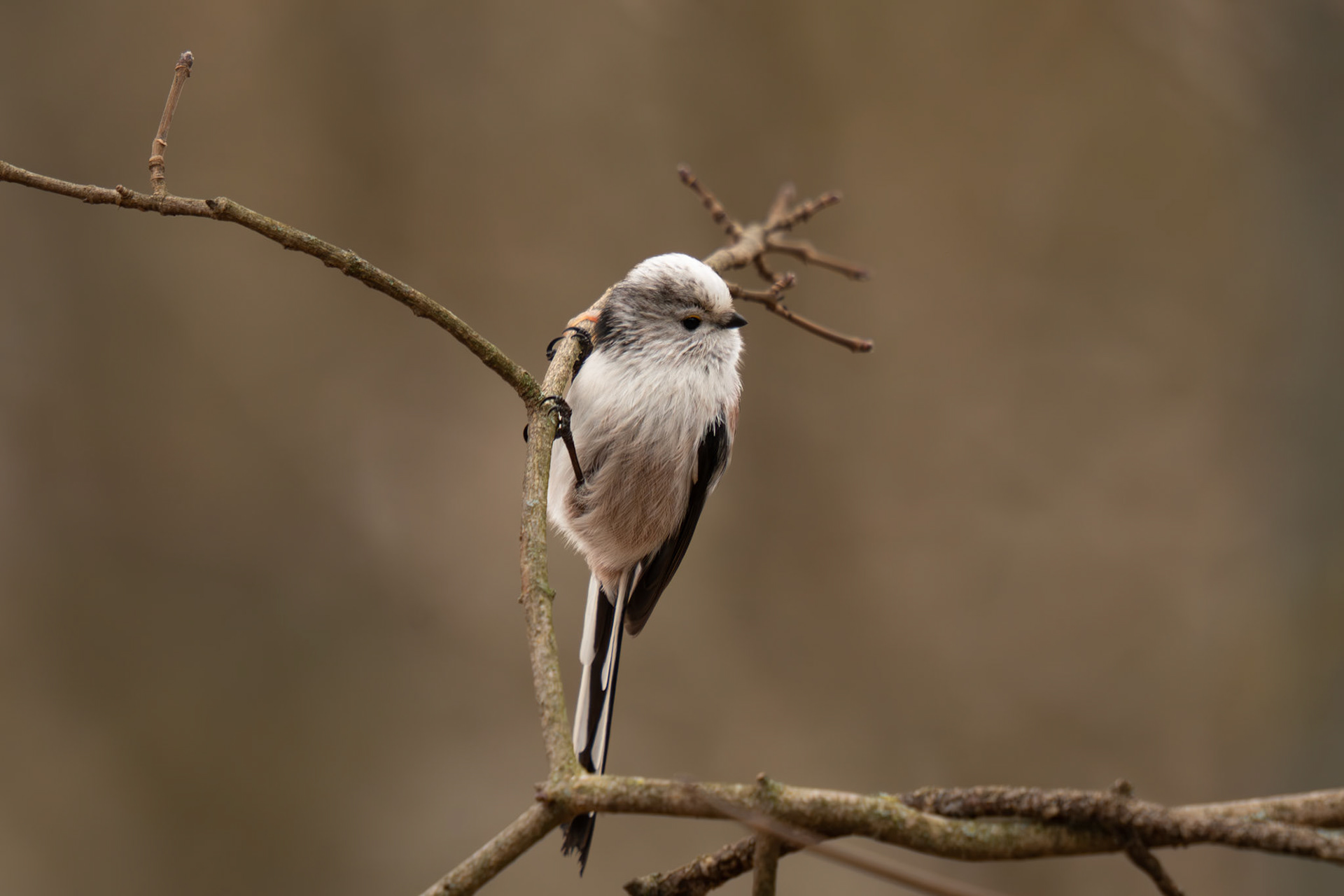
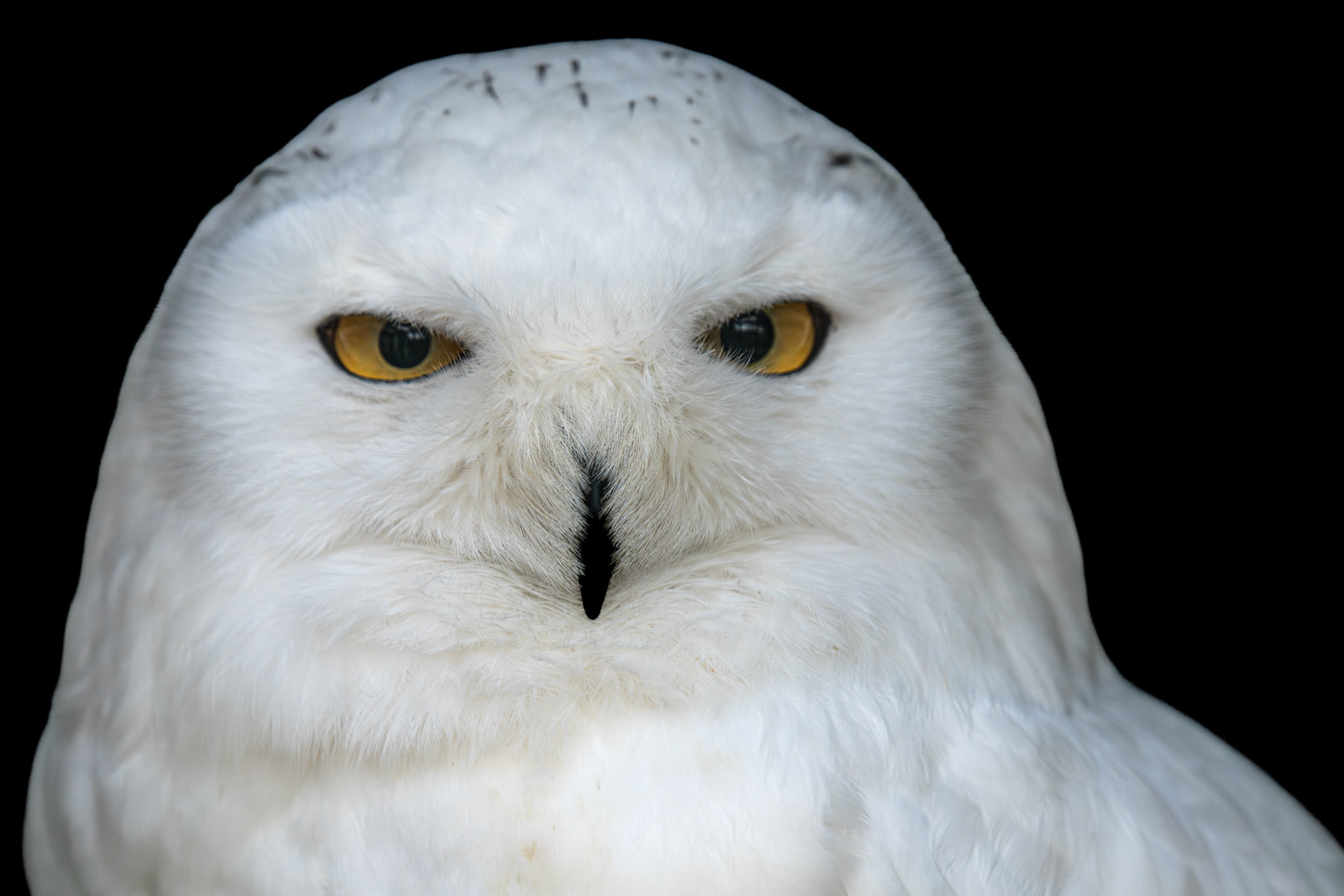
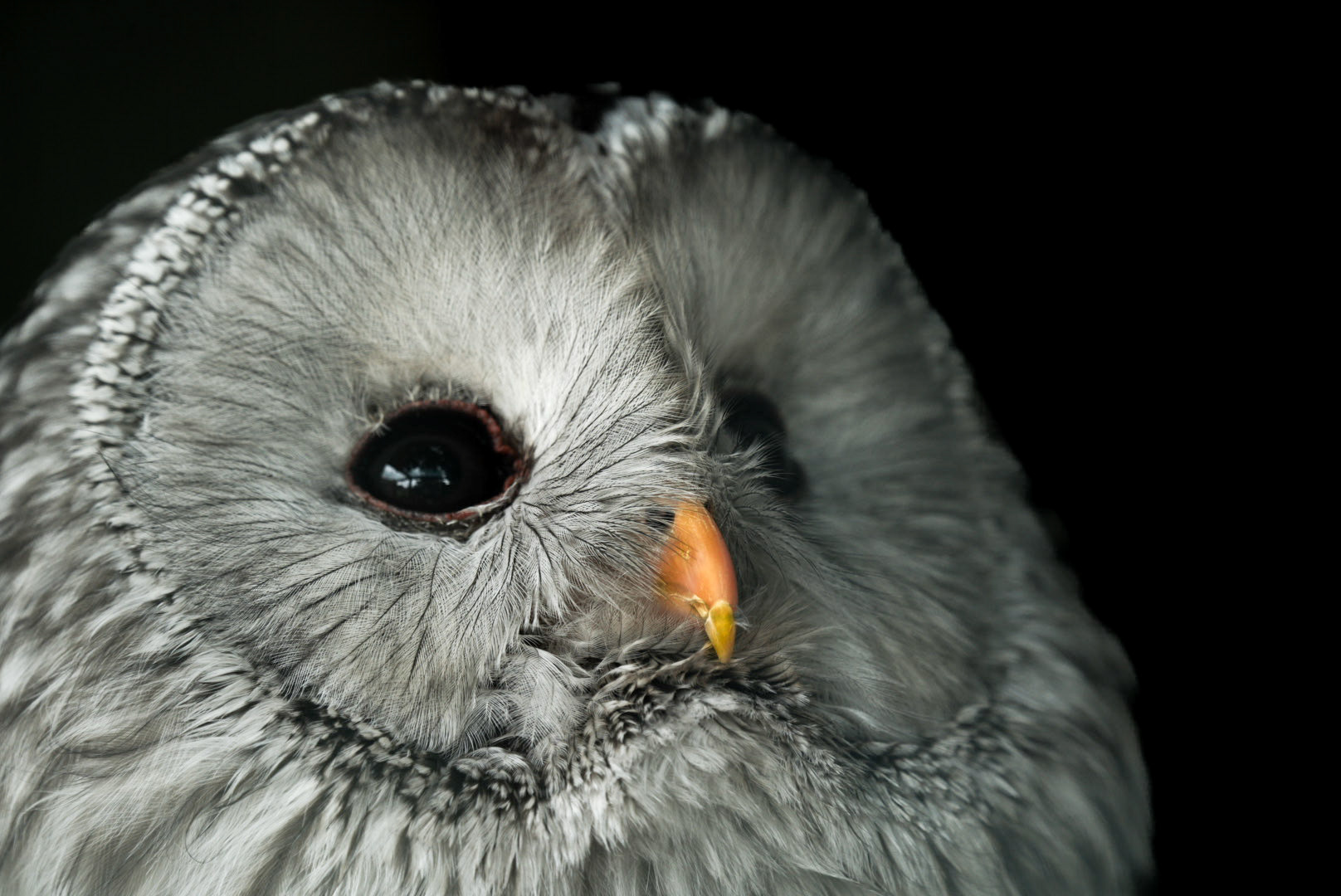
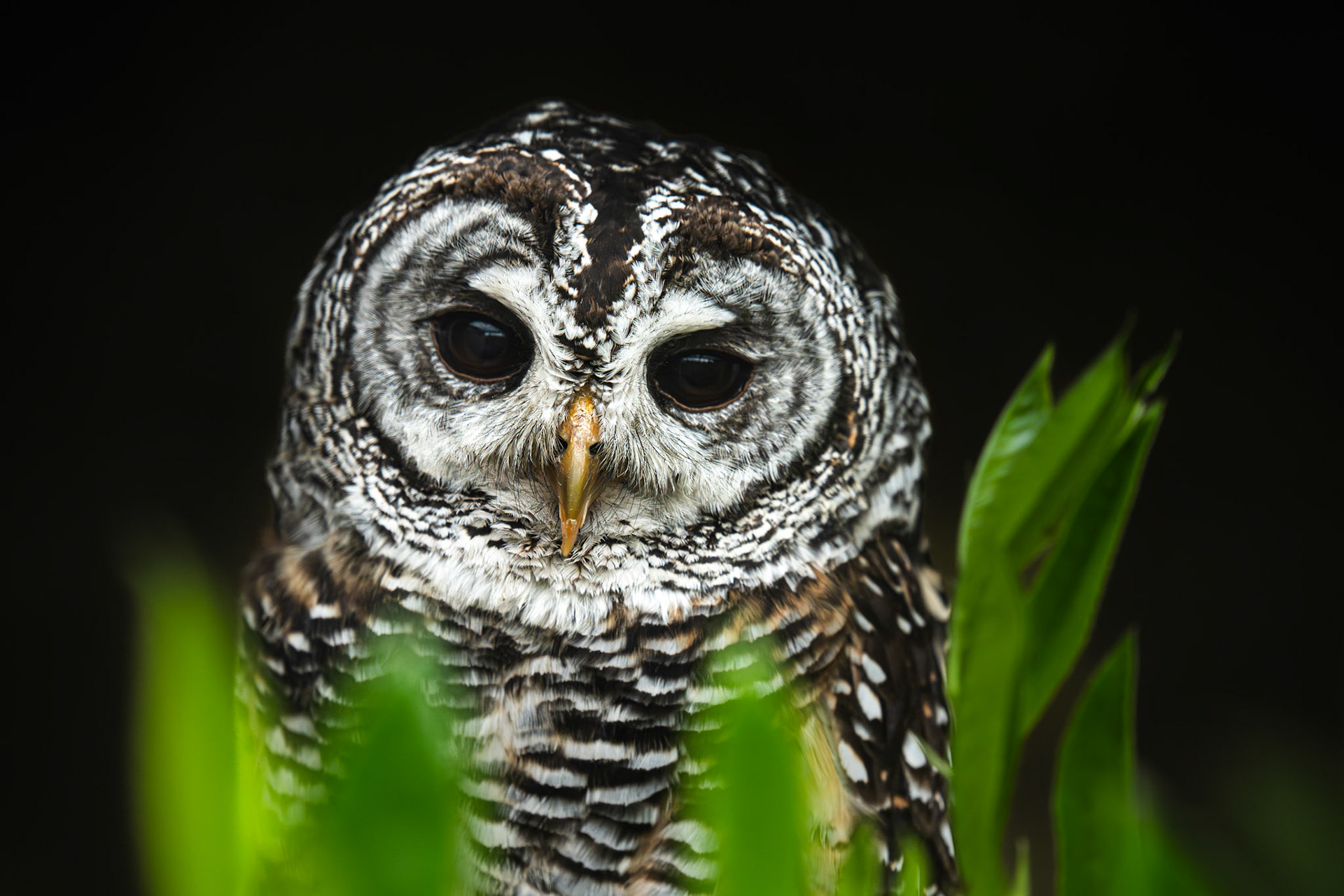
Both video and still photography were central to this project. Video allowed behaviour to unfold naturally over time — hunting attempts, fishing sequences, territorial displays, and interactions — while stills focused on structure, posture, and decisive moments. Working across multiple locations simultaneously required planning and adaptability, often balancing several potential subjects within a single day.
This body of work reflects a commitment to long-term field practice rather than outcome-driven shooting. It mirrors the reality of wildlife work: irregular success, cumulative learning, and the necessity of patience. The resulting imagery prioritises authenticity and behavioural understanding, shaped by sustained engagement with place rather than singular encounters.