Skomer Island — One Day of Seabird Fieldwork
In summer 2025, I spent a single, concentrated field day on Skomer Island, one of the UK’s most important seabird breeding sites. The island is internationally significant, supporting approximately half of the world’s population of Manx shearwaters and the largest colony of Atlantic puffins in southern Britain.
Preparation began the night before. I camped in a forest on the mainland in Pembrokeshire to be in position for an early-morning boat crossing. Sleeping close to the coast allowed a pre-dawn start and ensured the full day could be spent on the island, working within a tightly fixed schedule dictated by boat access.
Access to Skomer is only possible by boat, and the crossing marked a clear shift from mainland routines to an environment governed entirely by weather, light, and wildlife. Once ashore, conditions were immediately demanding. Temperatures approached 35 °C, the terrain was fully exposed with no natural shade, and long hours were spent on foot across cliffs and open paths.
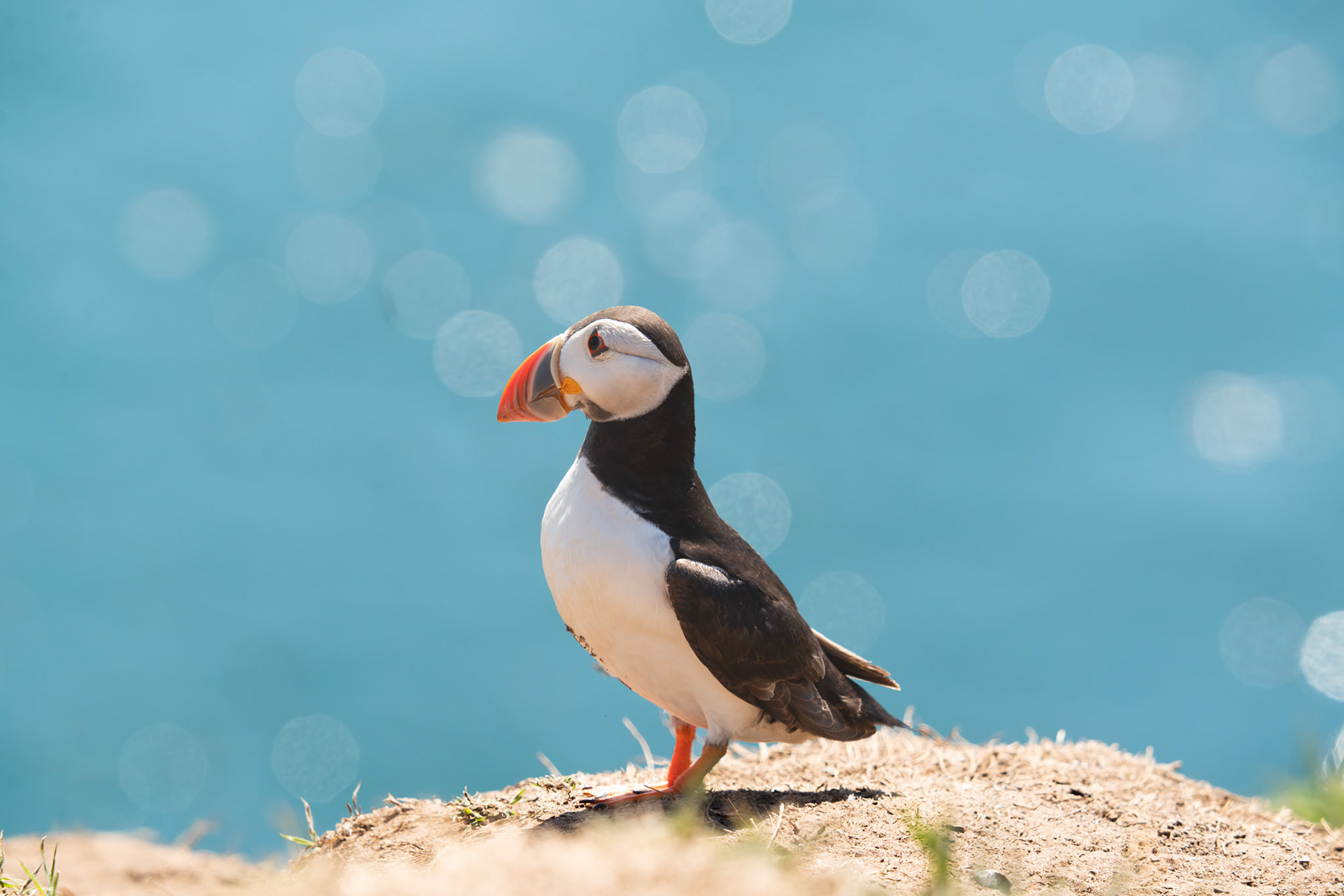
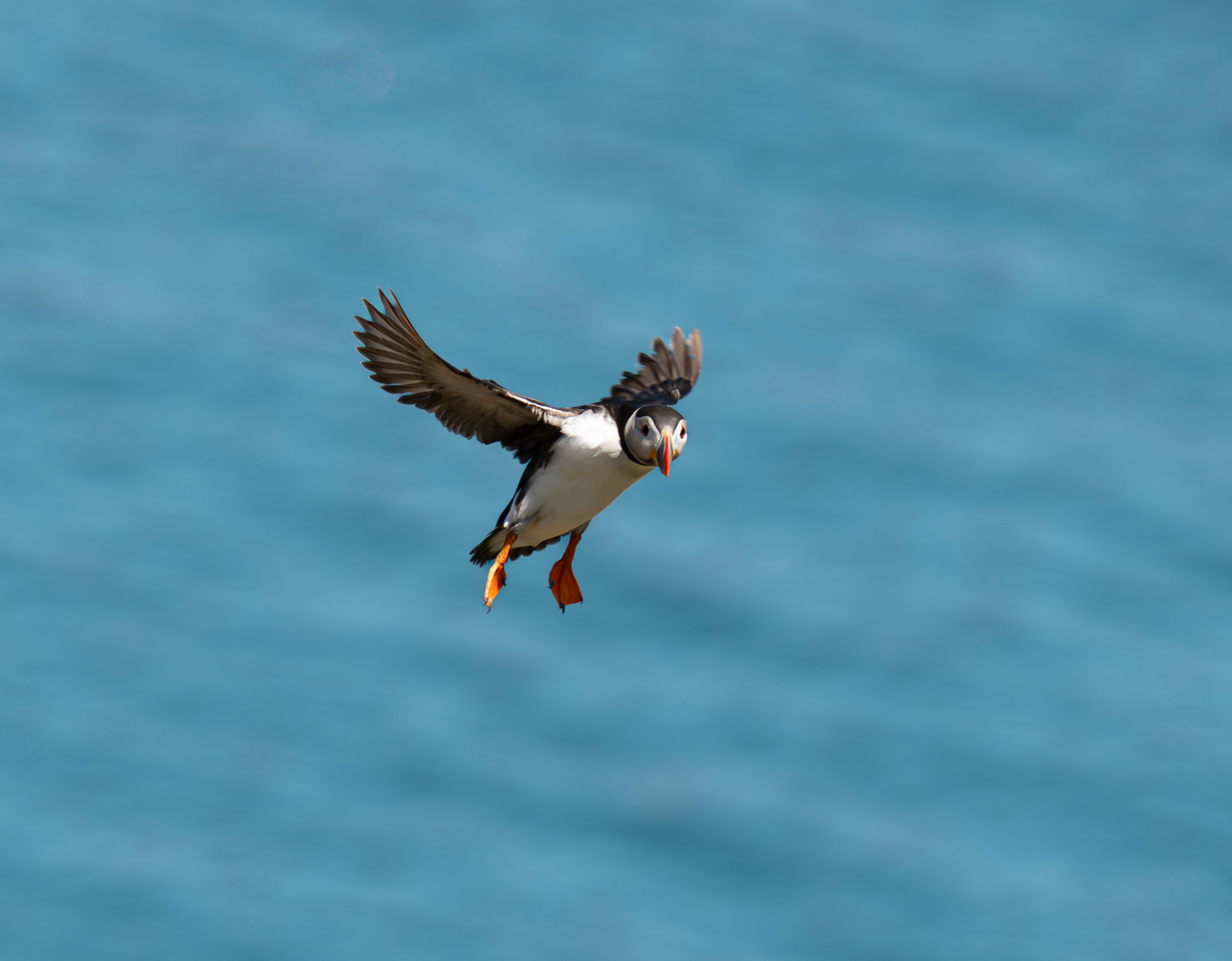
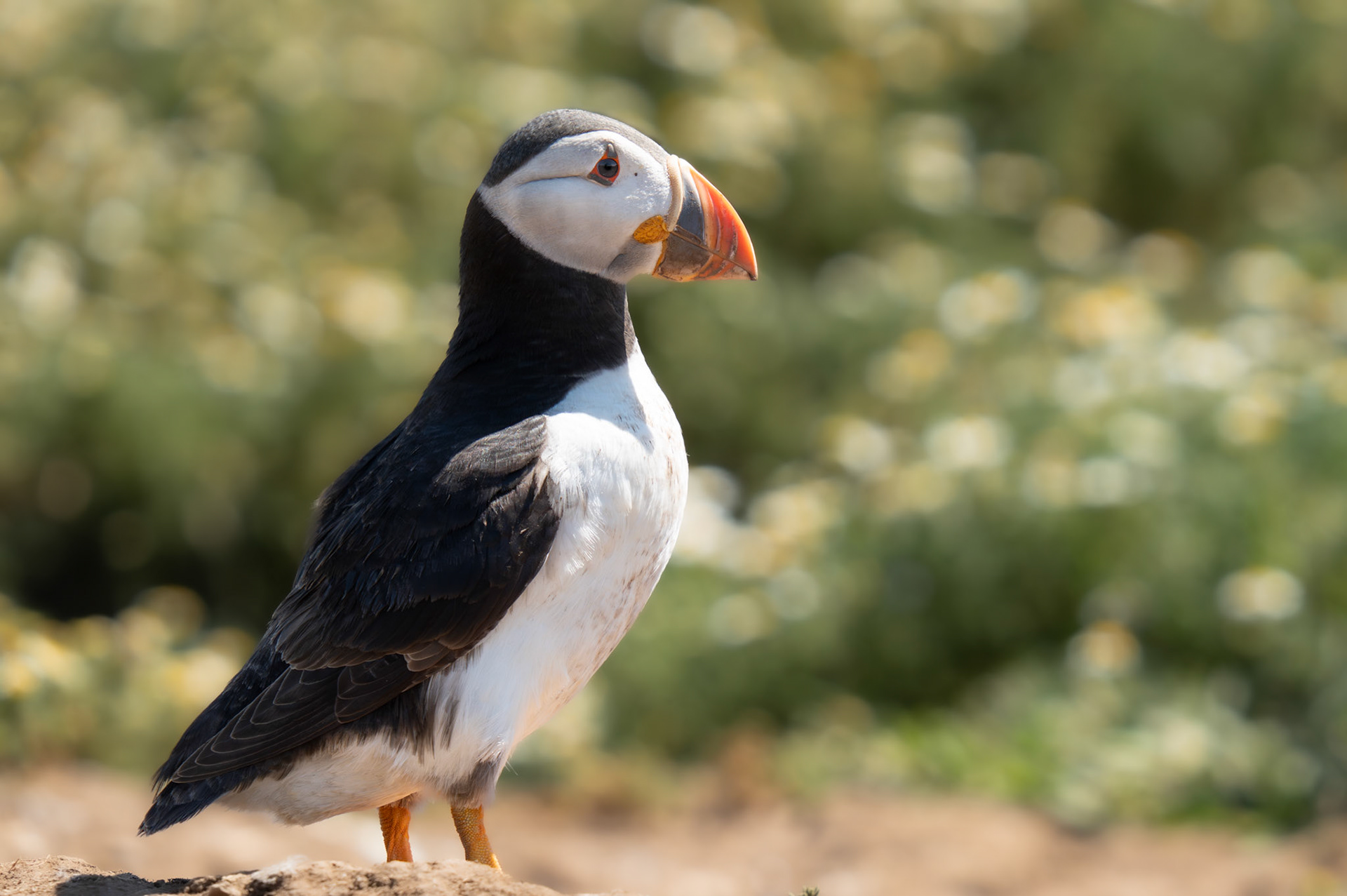
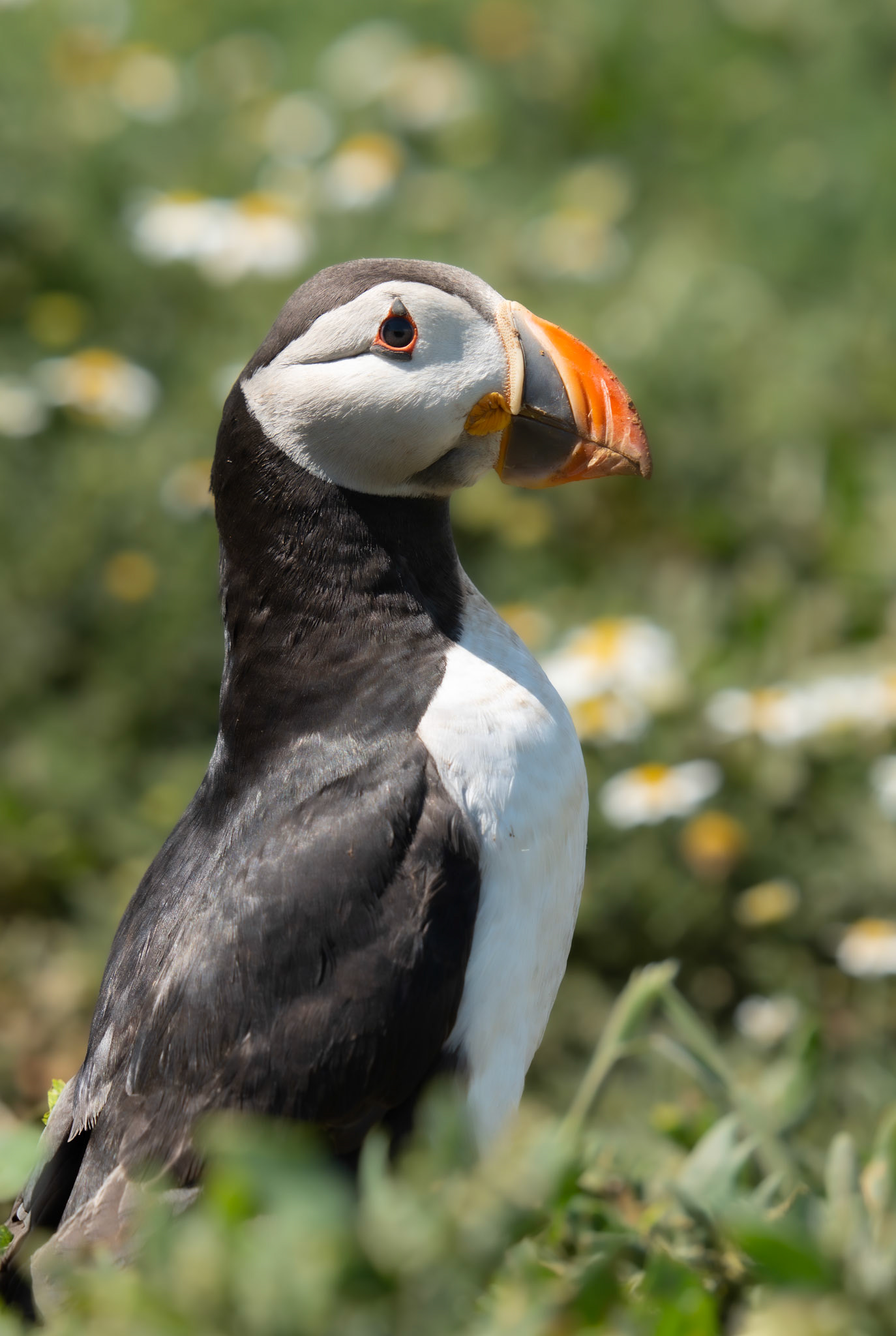
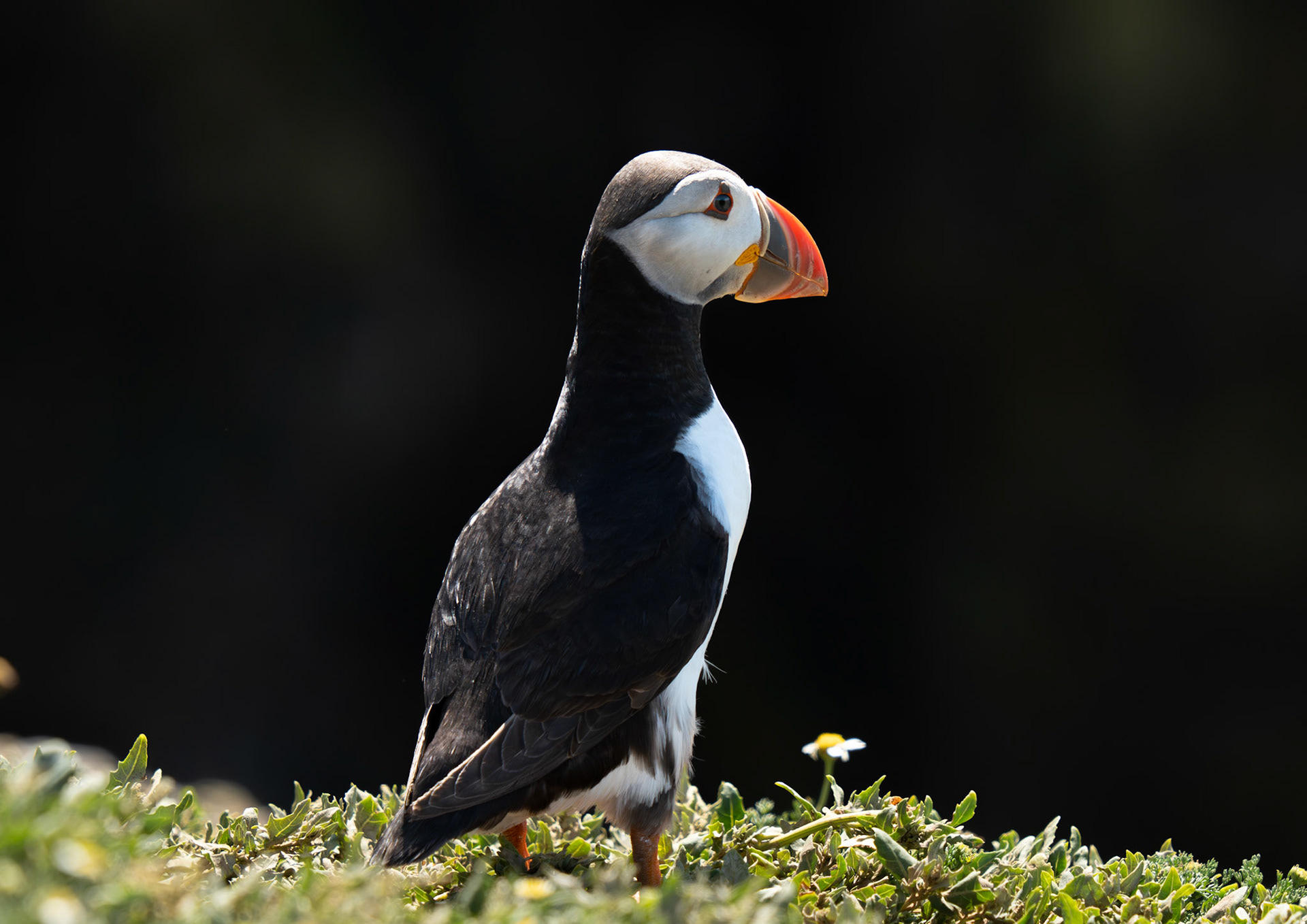
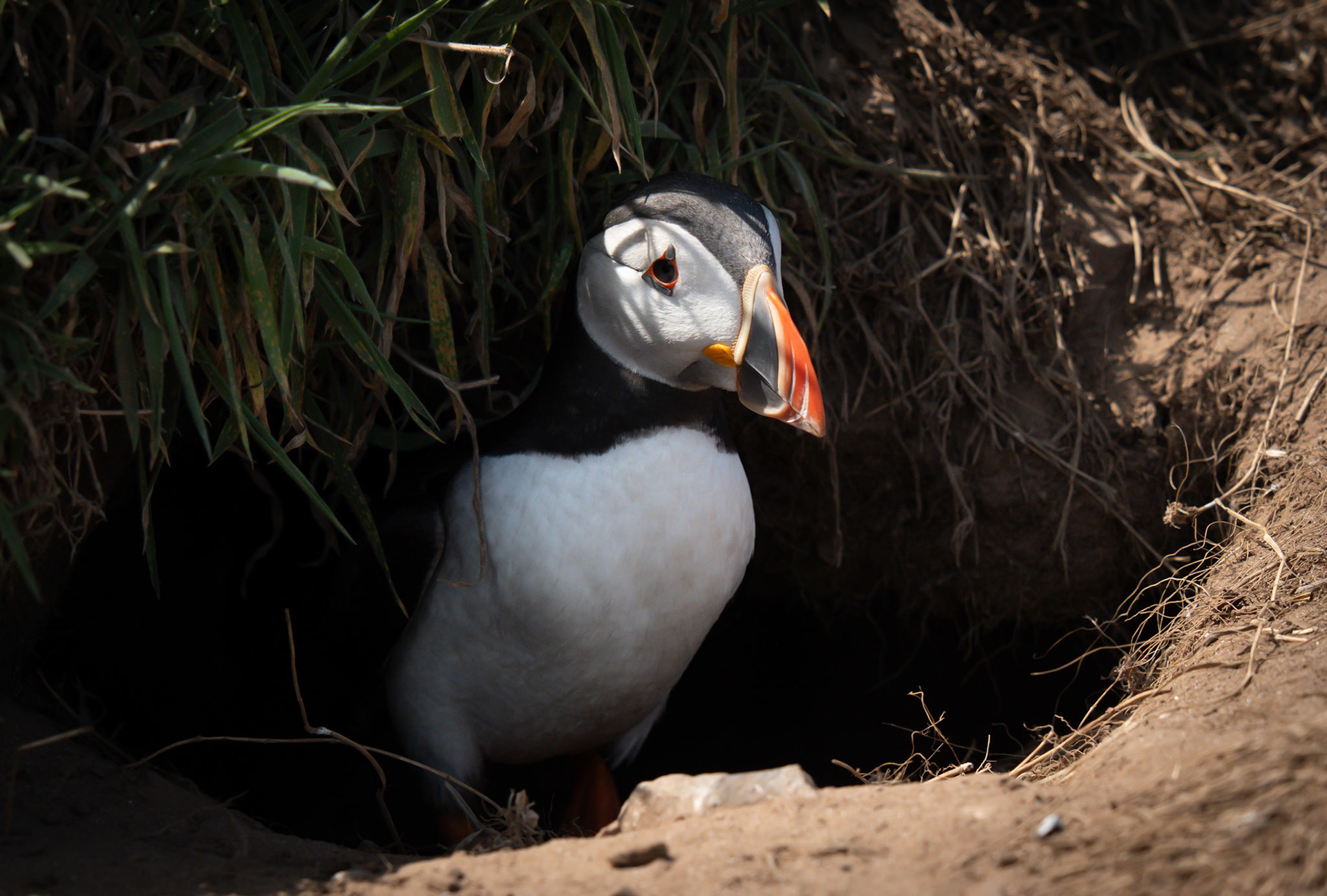
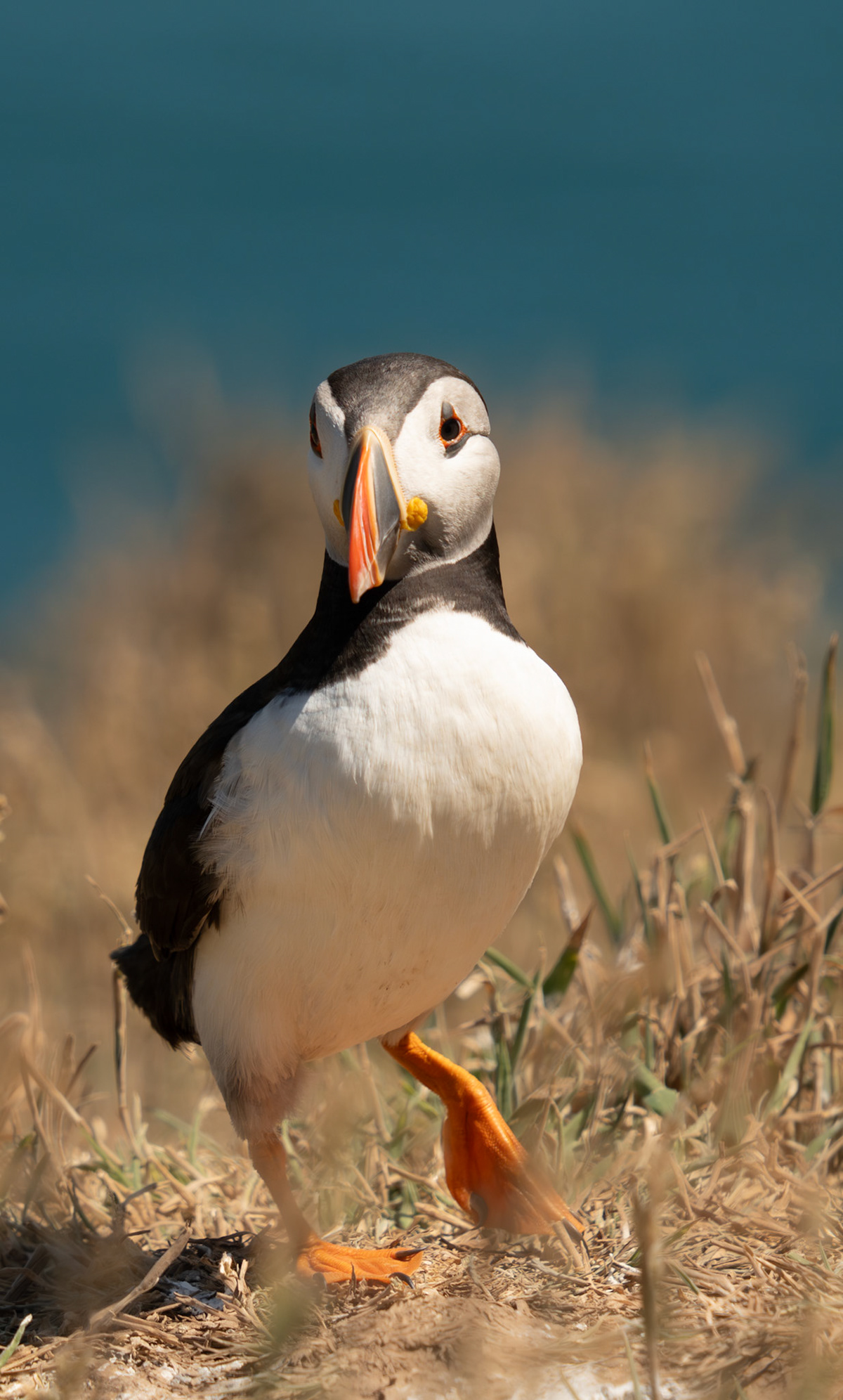
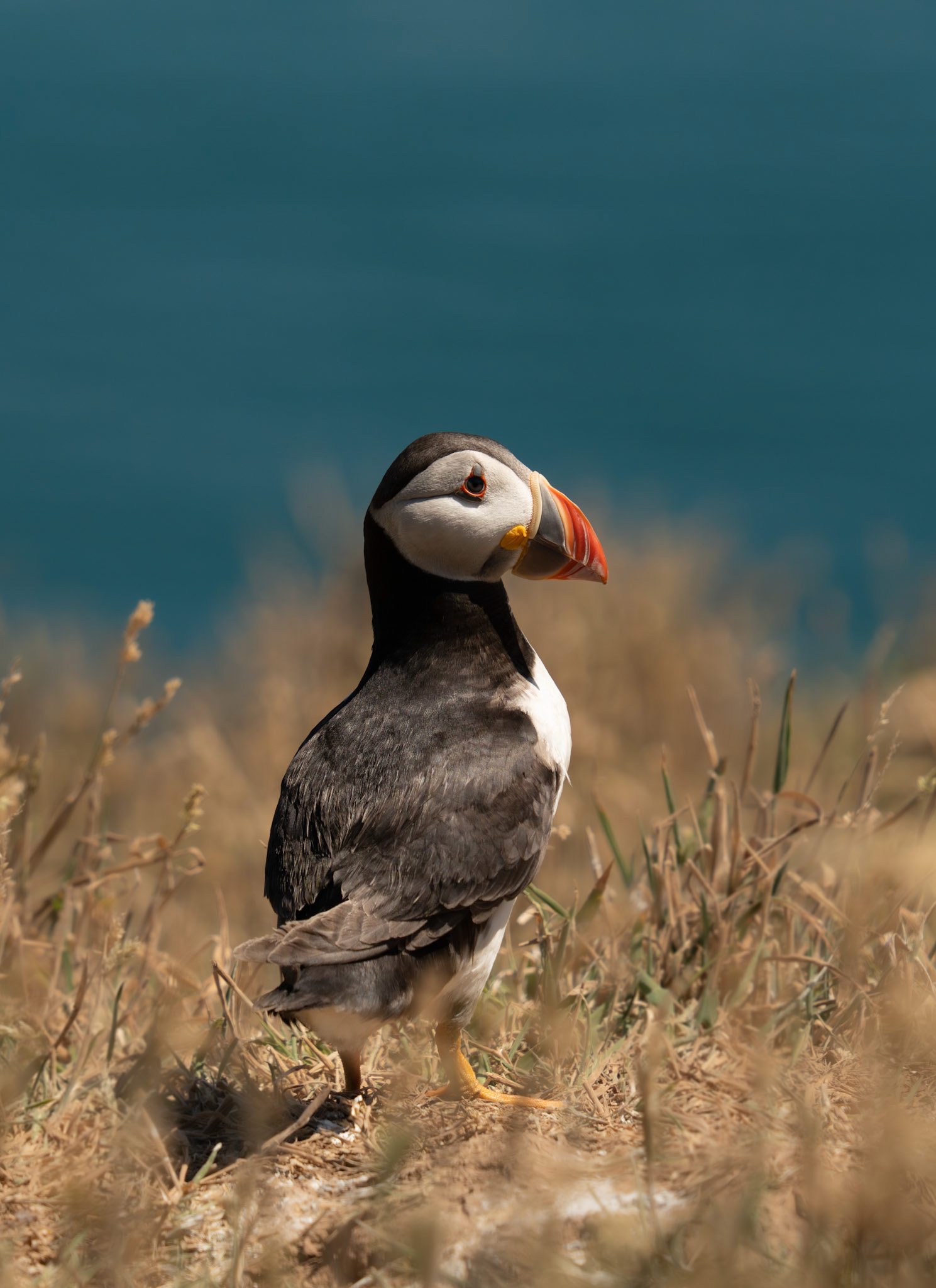
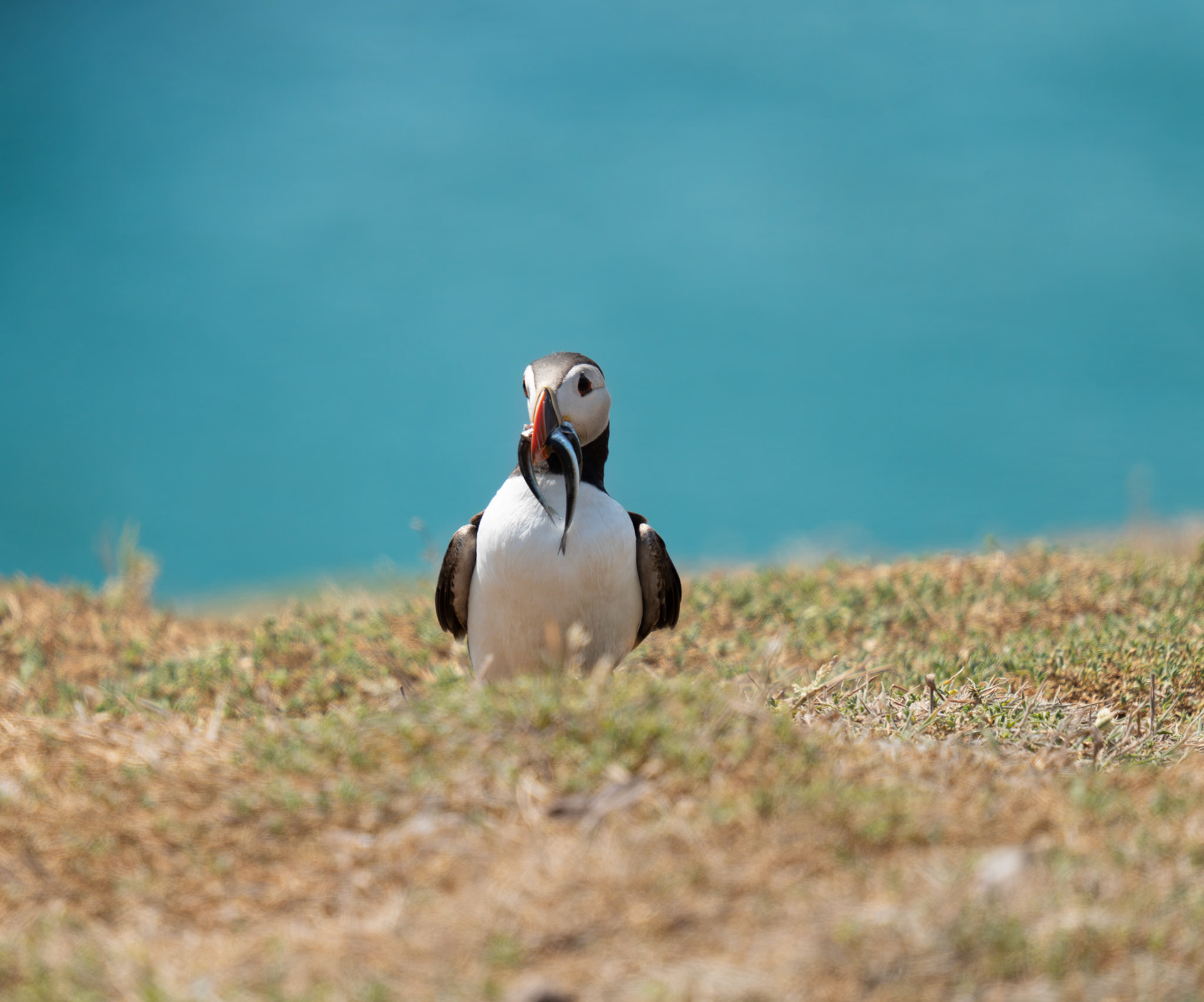
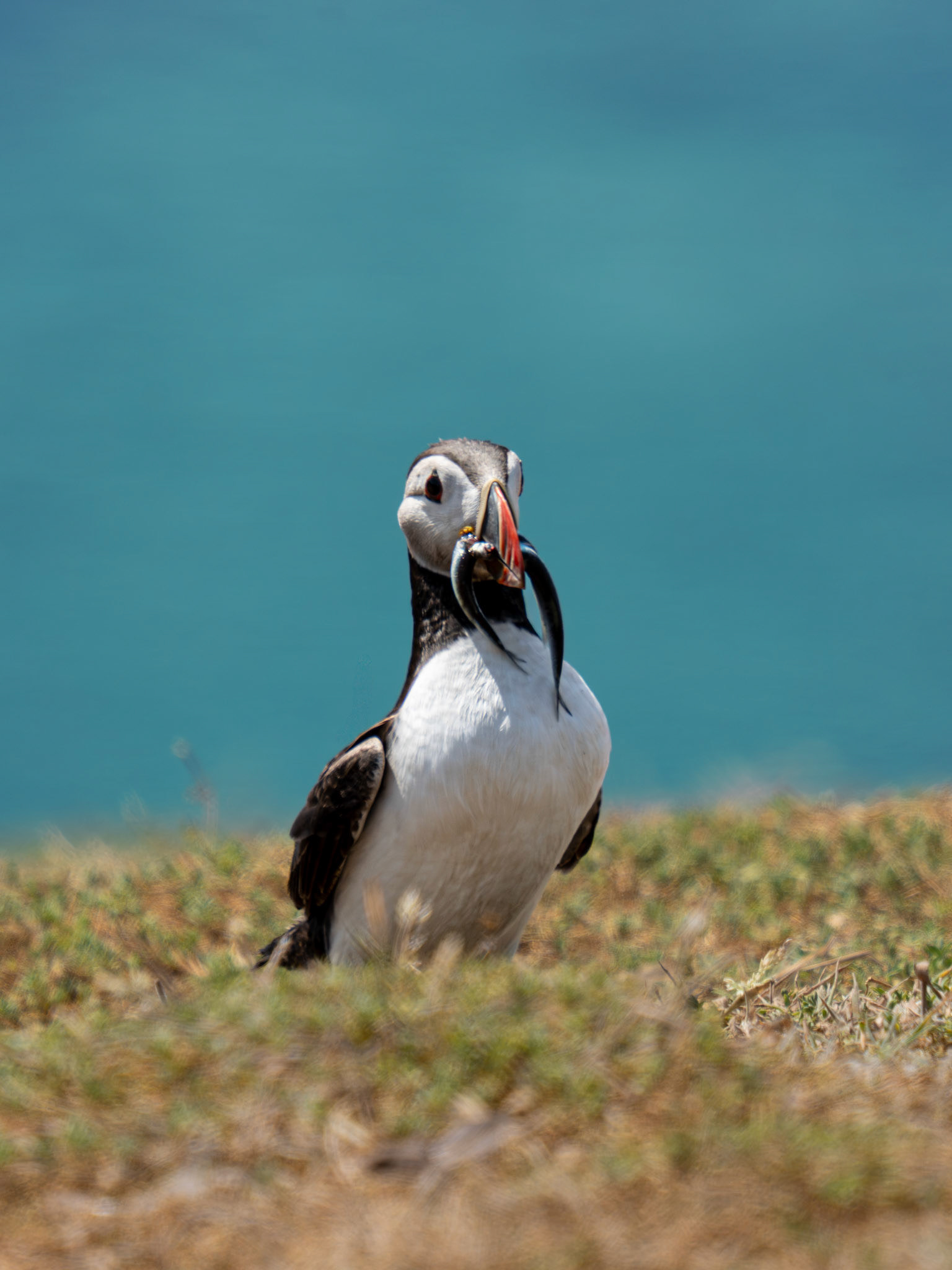
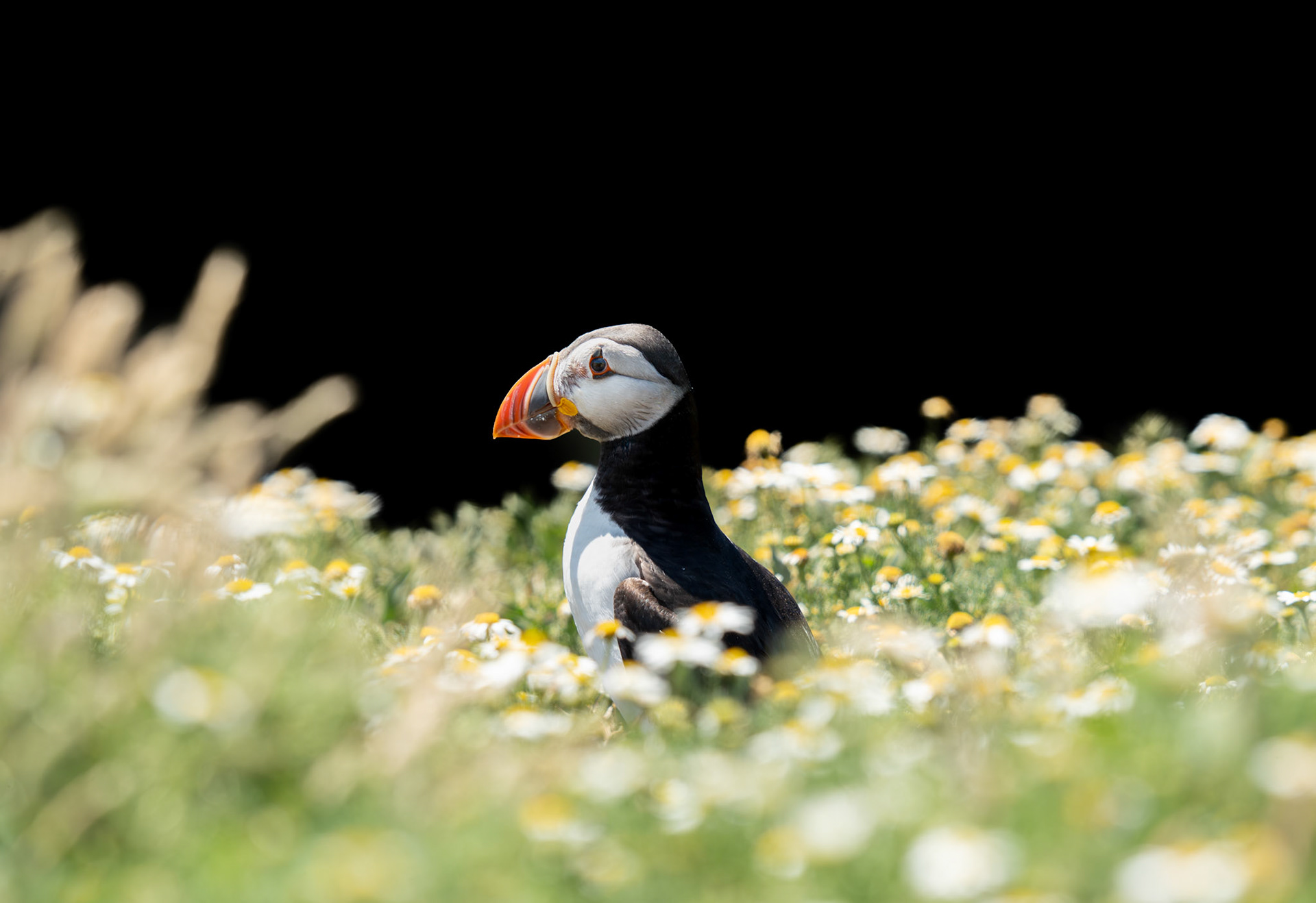
Despite the limited timeframe, the island was operating at full intensity. An estimated 40,000 puffins occupied the landscape, creating constant movement and overlapping activity. With only one day available, the focus shifted from coverage to observation — committing to specific areas and allowing behaviour to repeat rather than attempting to see everything.
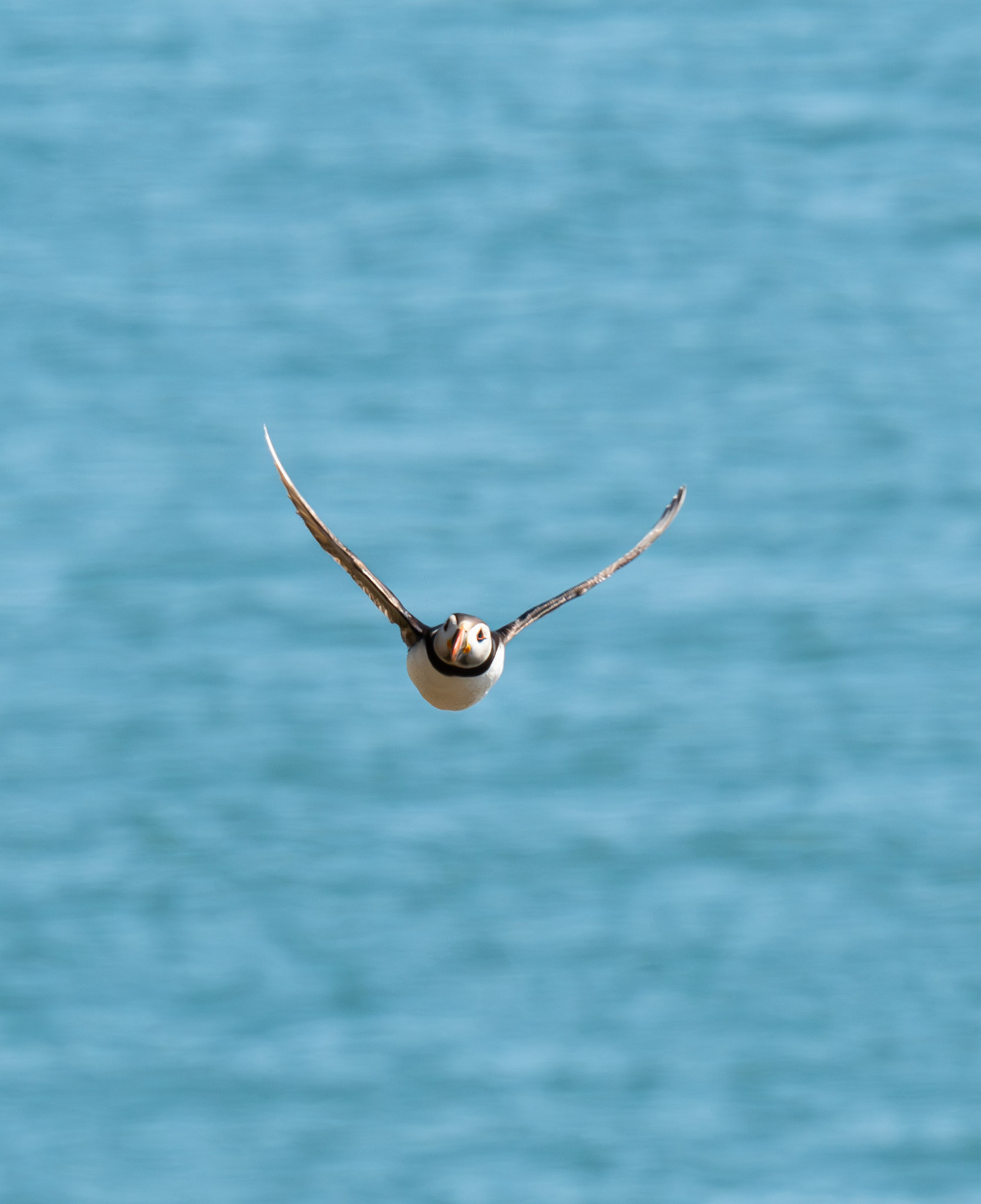
I returned repeatedly to the same cliff edges and paths, observing flight routes, preferred landing zones, and brief but telling interactions between individuals. Time spent watching without shooting was essential, helping to anticipate movement and recognise patterns within the apparent chaos of the colony.
This project reflects a field-based approach rooted in discipline, preparation, and restraint. Working within a single day, under extreme heat and fixed logistics, reinforced the importance of observation over quantity. Skomer Island was not simply a destination, but a functioning ecosystem encountered briefly and respectfully. The resulting images and footage aim to communicate both the scale of the seabird colony and the attentiveness required to work responsibly within a narrow opportunity.